
Why Narcissistic Parents Cause Lifelong Attachment Wounds
When the parent is the source of harm For many adults, the most confusing realization in therapy is recognizing that a parent — not a partner — was the original source of narci
C-PTSD After Narcissistic Abuse: Symptoms Adults Miss
Narcissistic abuse doesn’t end when the relationship ends Many adults leave narcissistic relationships expecting relief — yet instead experience lingering anxiety, emotional ov
Trauma Bonding: Why Leaving a Narcissist Feels Impossible
“Why can’t I just leave?” This is one of the most painful questions survivors ask themselves. Trauma bonding occurs when cycles of abuse are interspersed with moments of affe
What Narcissistic Abuse Looks Like in Adult Relationships
Narcissistic abuse is often invisible — until it isn’tMany adults enter therapy confused, emotionally exhausted, and questioning their own reality. They may say things like “
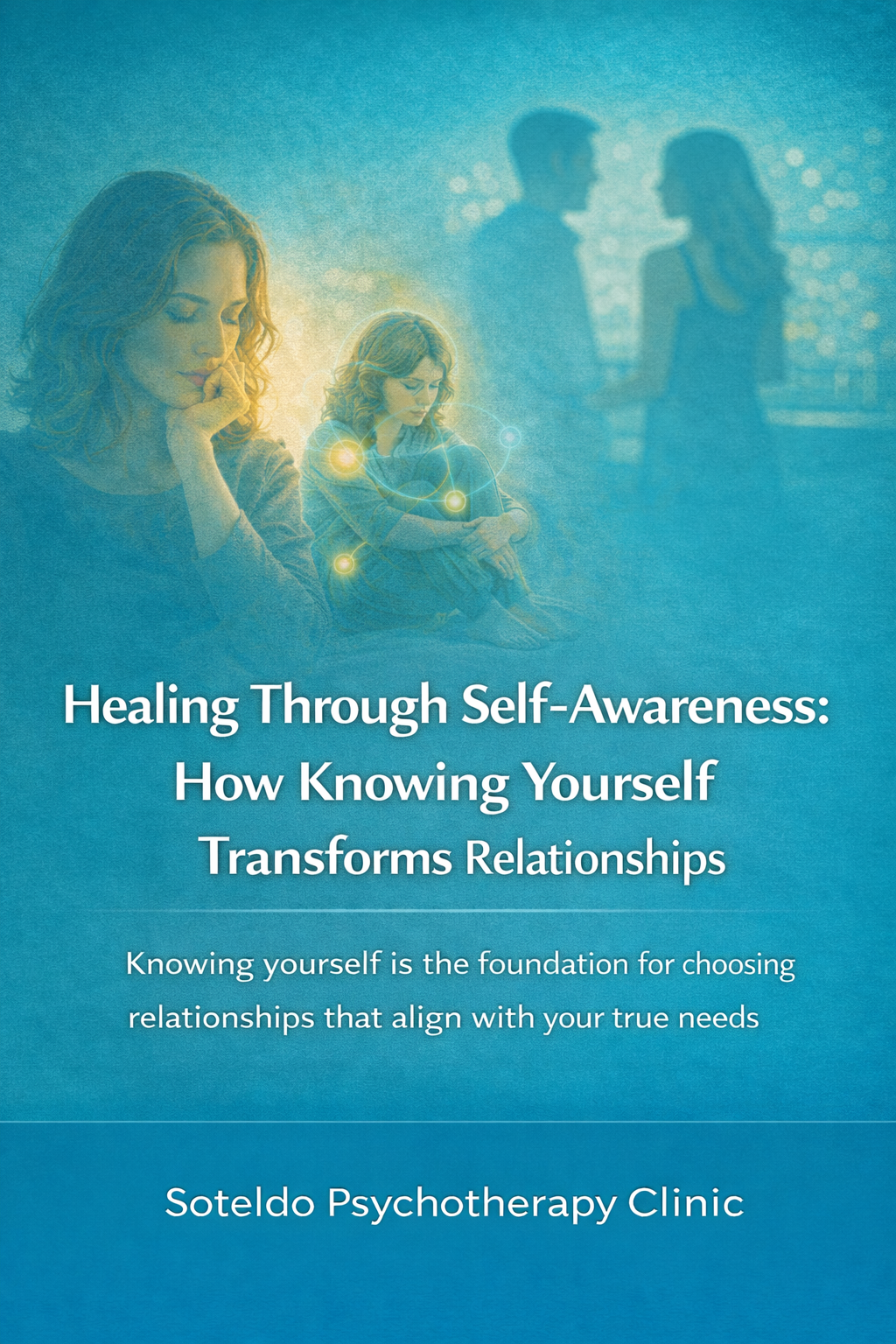
Healing Through Self-Awareness: How Knowing Yourself Transforms Relationships
Self-awareness in relationships is not just the absence of pain or conflict. Rather, it is an intentional process of coming into relationship with yourself—learning who you are b
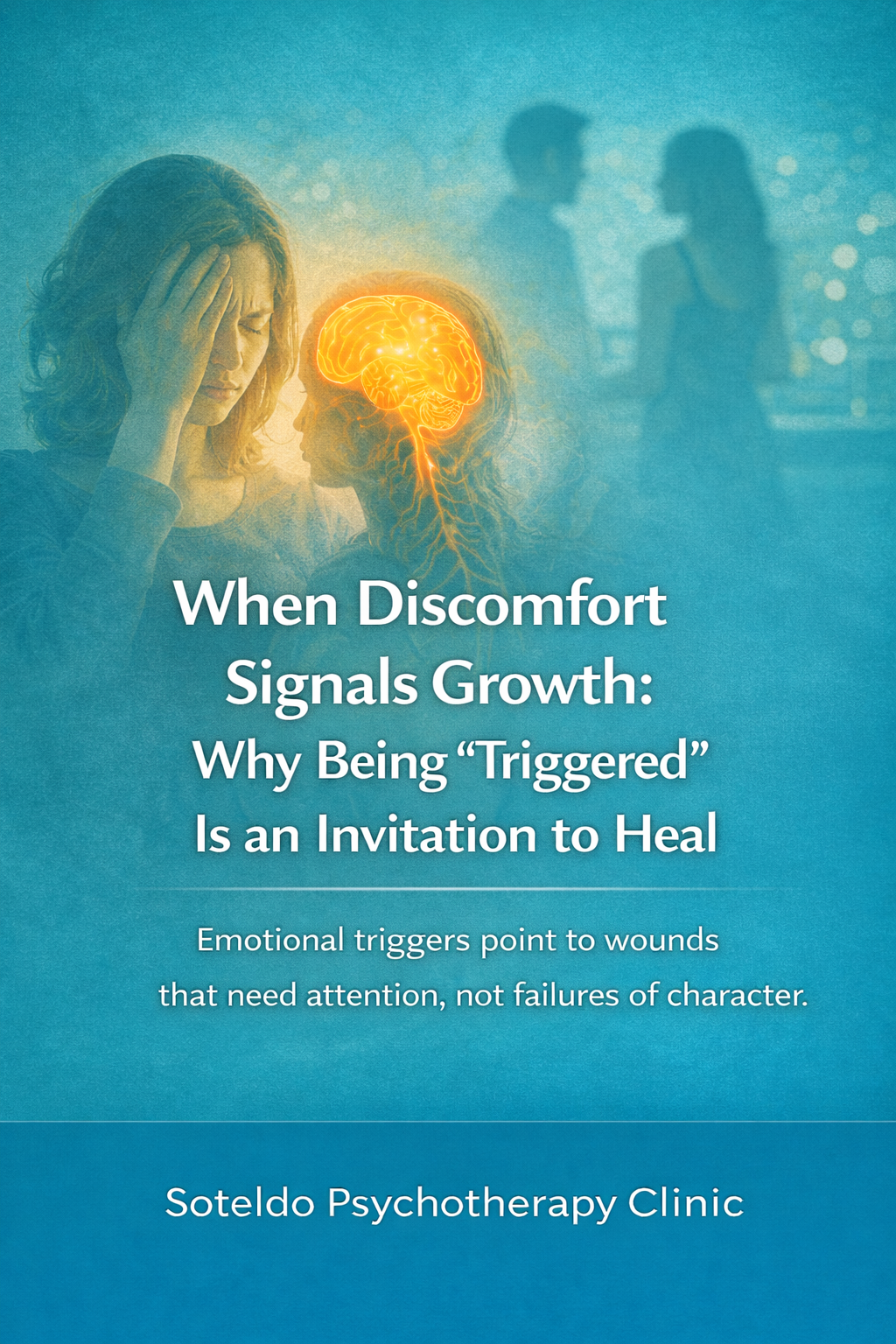
When Discomfort Signals Growth: Why Being “Triggered” Is an Invitation to Heal
Being triggered by words like selfish, controlling, or manipulative can sting.Because these words carry weight, they often feel like personal attacks—especially when you’re try
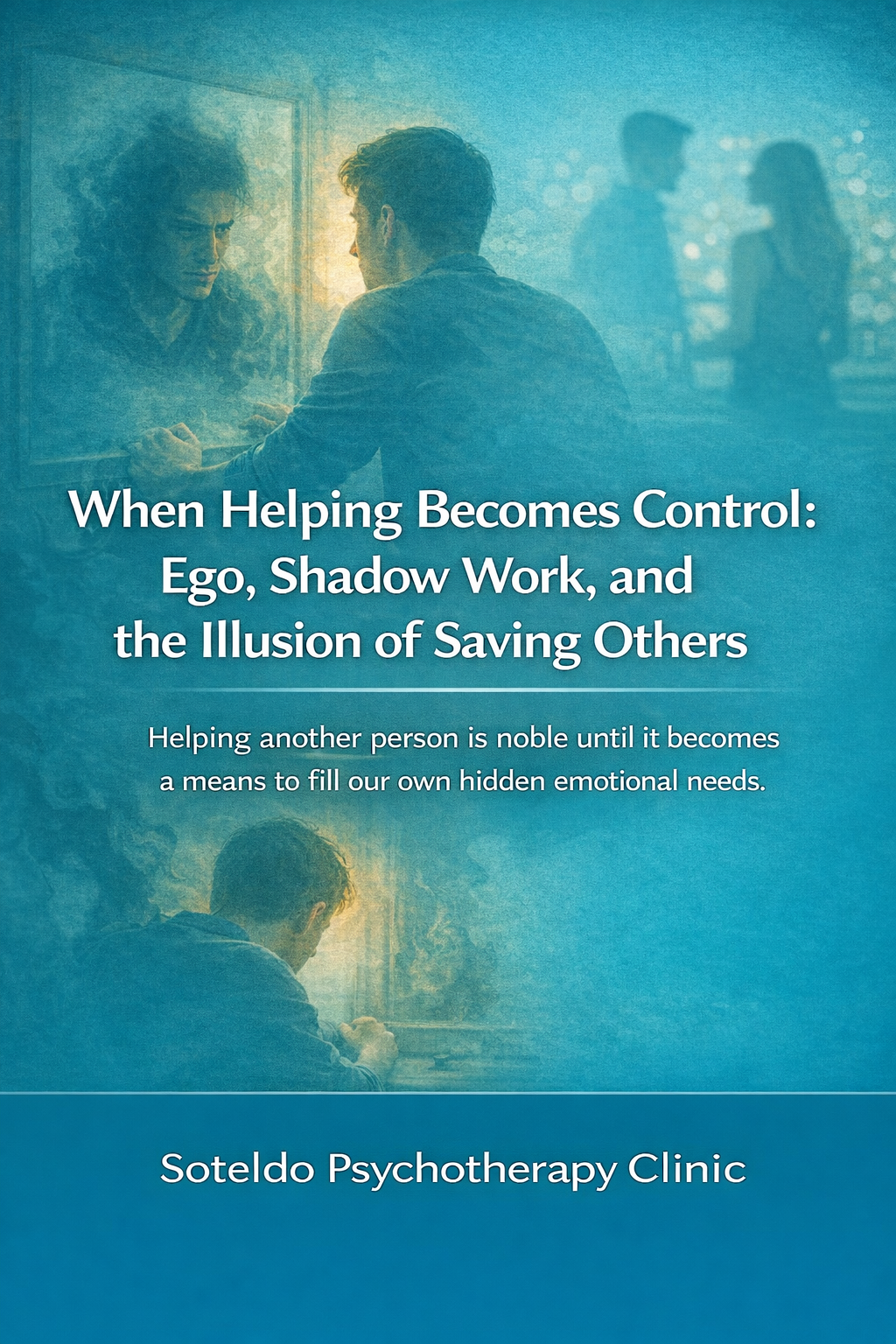
When Helping Becomes Control
When helping becomes control, it often hides beneath the appearance of love, compassion, or emotional maturity. People widely praise helping others. However, the belief that we can
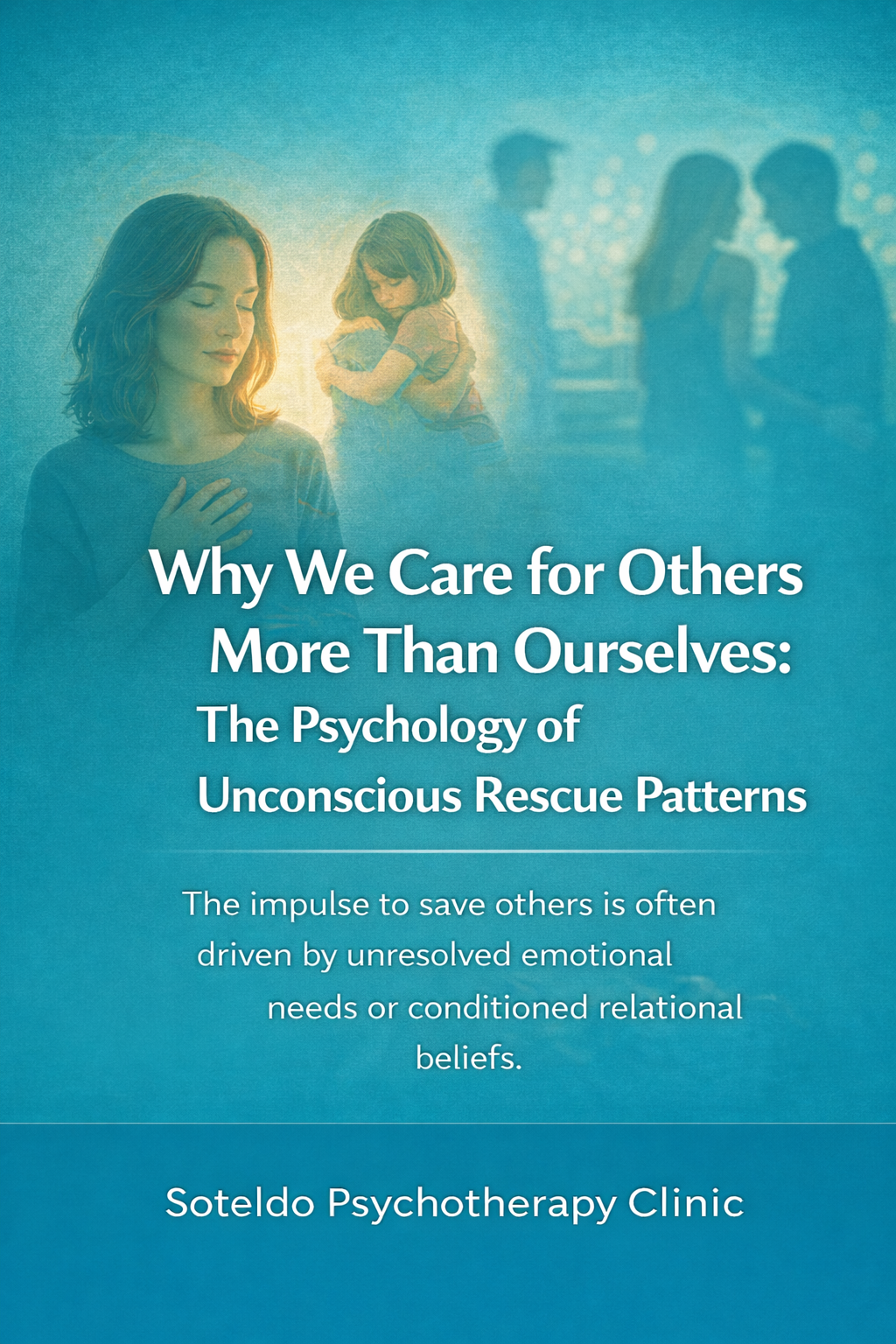
Why We Care for Others More Than Ourselves
Caring for others more than yourself is a pattern many people notice as a quiet imbalance in their relationships. They offer patience, compassion, and understanding to others with
Choosing Personal Joy and Self-Regulation in Today’s Dating Landscape
Self-regulation in dating has become essential in today’s modern dating landscape.At the same time, modern dating can feel exhausting. Emotional unavailability, avoidance, mixed
Overfunctioning, the Nervous System, and the Cost of Constant Rescuing
Overfunctioning in relationships is often mistaken for care, competence, or emotional maturity. On the surface, it can look like being attentive, supportive, or “good at relation