Applied, trauma- and violence-informed education for frontline professionals working across victim services, policing, healthcare, mental health, legal, social-service and community settings.
B.R.A.V.E.™ helps professionals move from recognizing concern to navigating the interaction that follows.
Request Organizational TrainingExplore the B.R.A.V.E. FrameworkMany organizations already use IPV screening, risk-assessment or internal response procedures.
B.R.A.V.E.™ is not intended to replace those systems. It provides an interactional framework for considering:
B.R.A.V.E.™ is an intersectional, interactional protocol for what happens during and after a frontline encounter — not a screening instrument.
Recognition of coercive control, barriers to disclosure, trauma presentations, minimization, survivor decision-making and trauma-informed interaction.
Case-based professional training focused on brief-contact pattern recognition, coercive control, documentation, practical questions, survivor presentation, post-separation abuse and interactional response.
for full-day delivery
Customized to professional roles, organizational procedures, existing screening/risk processes, documentation expectations and learning priorities.
A professional may initially encounter:
A single encounter may appear isolated. Understanding patterns over time can provide additional context.
Someone experiencing IPV or coercive control may appear frightened, angry, calm, articulate, confused, defensive, emotionally flat or minimizing. Trauma presentation should not be used as a simple measure of credibility or risk.
Professional response does not end with recognizing a concern. Training can include:
Documentation content is adapted to the professional scope, organizational policies and applicable reporting requirements of the participating team.
B.R.A.V.E.™ Applied Workshop — professional training in intimate partner violence & coercive control.
B.R.A.V.E.™ for Police & Law Enforcement — applied training that works within your service’s existing IPV, investigative and risk-assessment procedures.
Cross-system context
A connected view helps professionals recognize that separate encounters may relate to one continuing pattern.
Each professional may see one piece. The survivor may be experiencing one continuing pattern.


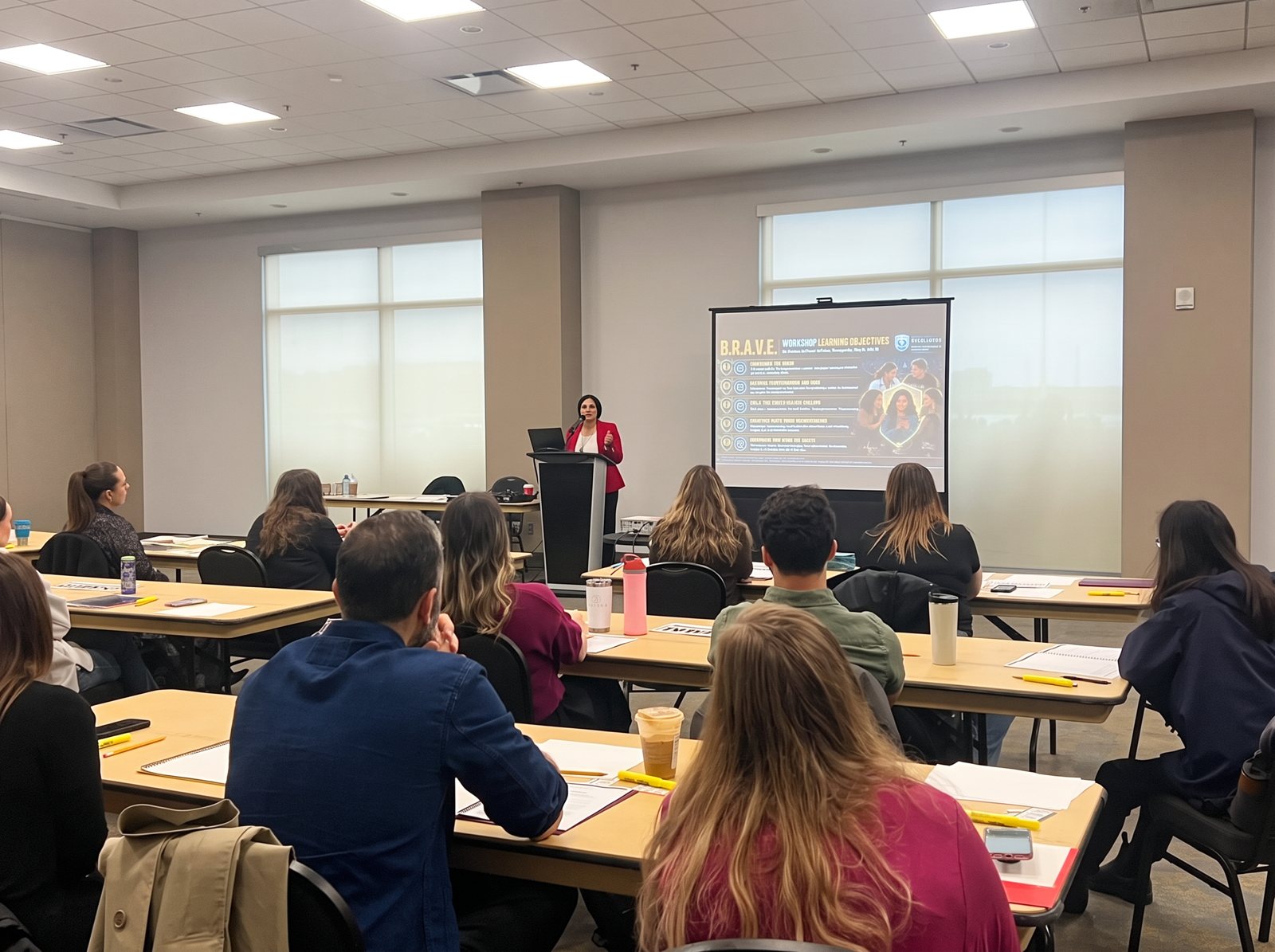
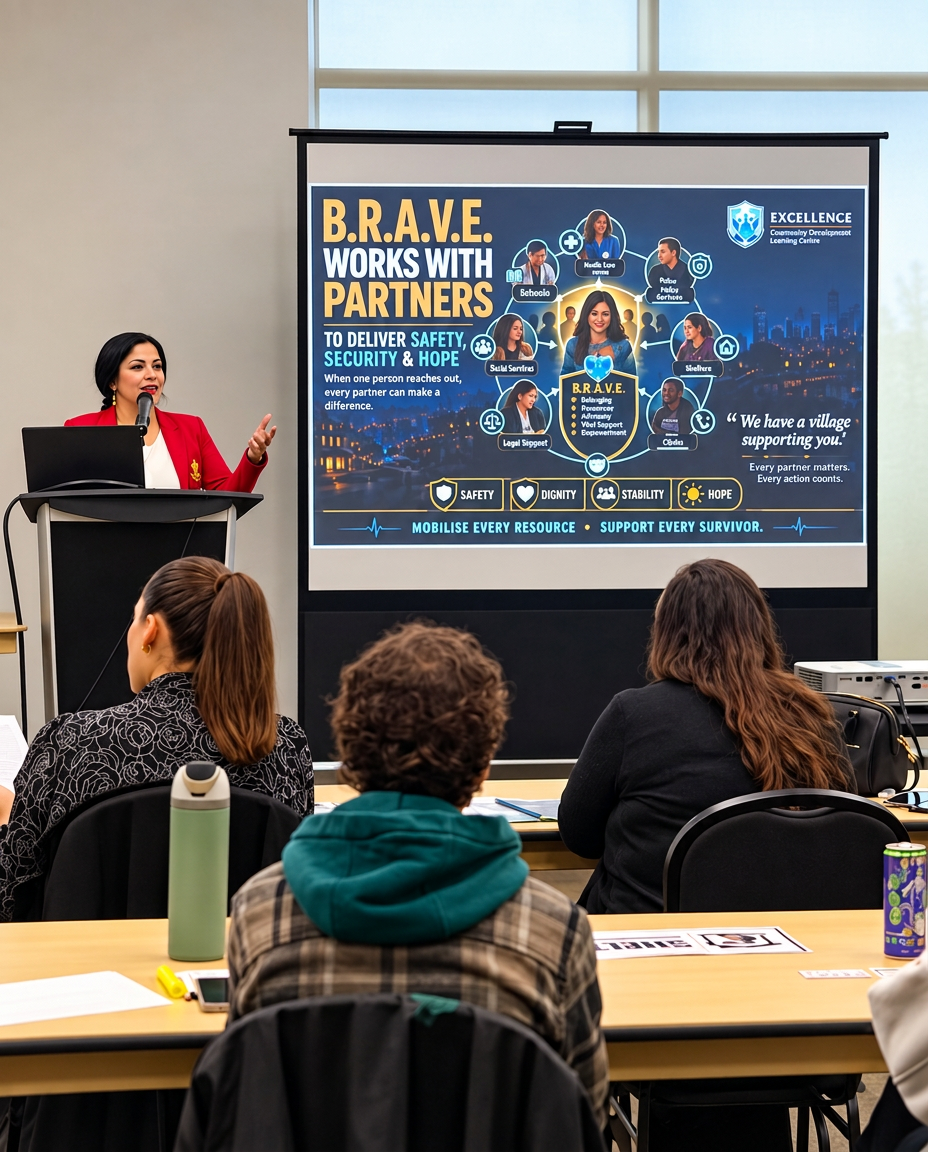
In October 2026, B.R.A.V.E.™ was delivered in Ottawa as an applied IPV and coercive-control workshop involving frontline victim-service professionals. The session included coercive-control pattern recognition, survivor presentation, case analysis, documentation, post-separation dynamics and practical frontline response.
Percentages are based on 18 anonymous post-workshop evaluation forms and have been rounded.
See full workshop outcomes →Physicians • Nurses • Paramedics • Allied health
Psychotherapists • Psychologists • Social workers
Lawyers • Mediators • Family-law professionals
Shelters • Settlement organizations • Community agencies
Departments • Municipal organizations • Public agencies
Raquel Soteldo is a Registered Psychotherapist whose clinical and professional education work focuses on intimate partner violence, coercive control, narcissistic-abuse dynamics, post-separation abuse and complex relational trauma.
She provides professional education and consultation to frontline and interdisciplinary organizations and is the developer of the B.R.A.V.E. Framework for IPV and Coercive Control.
Learn more about RaquelTell us about your team and learning priorities. We’ll use this information to identify the most appropriate training option.