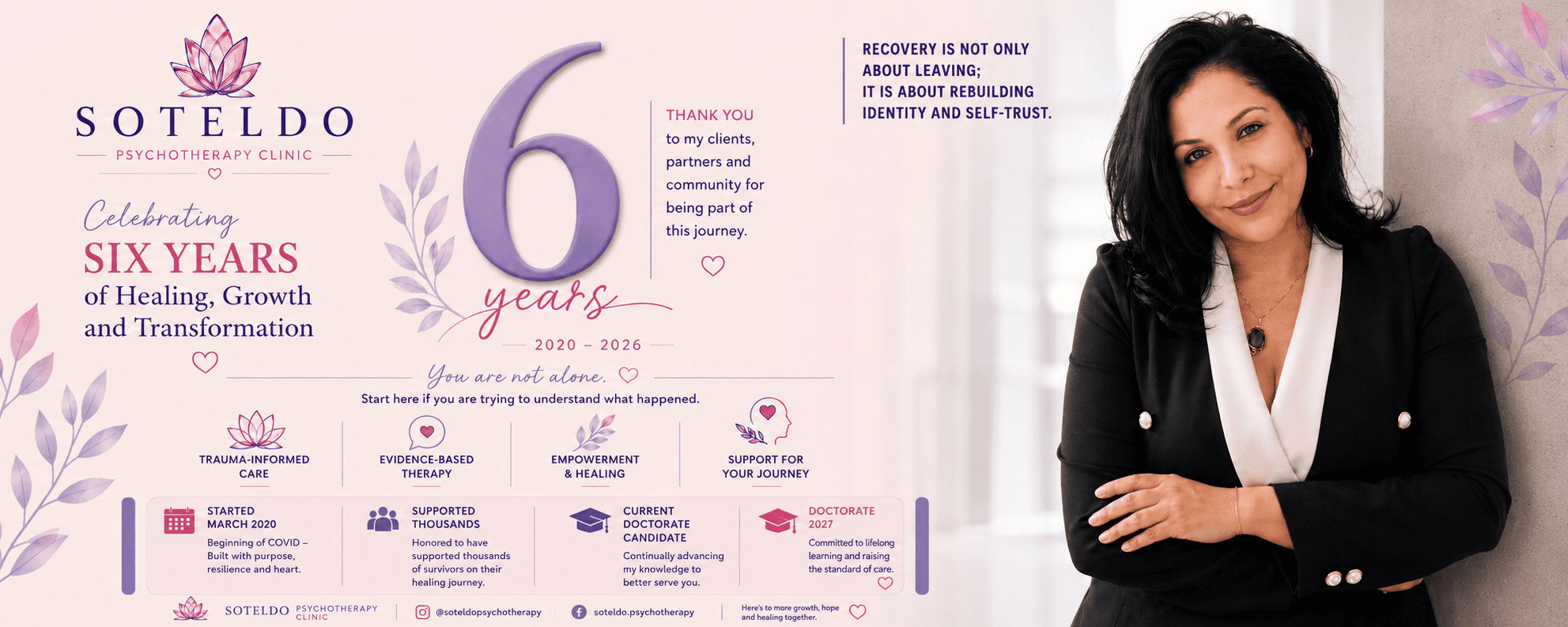
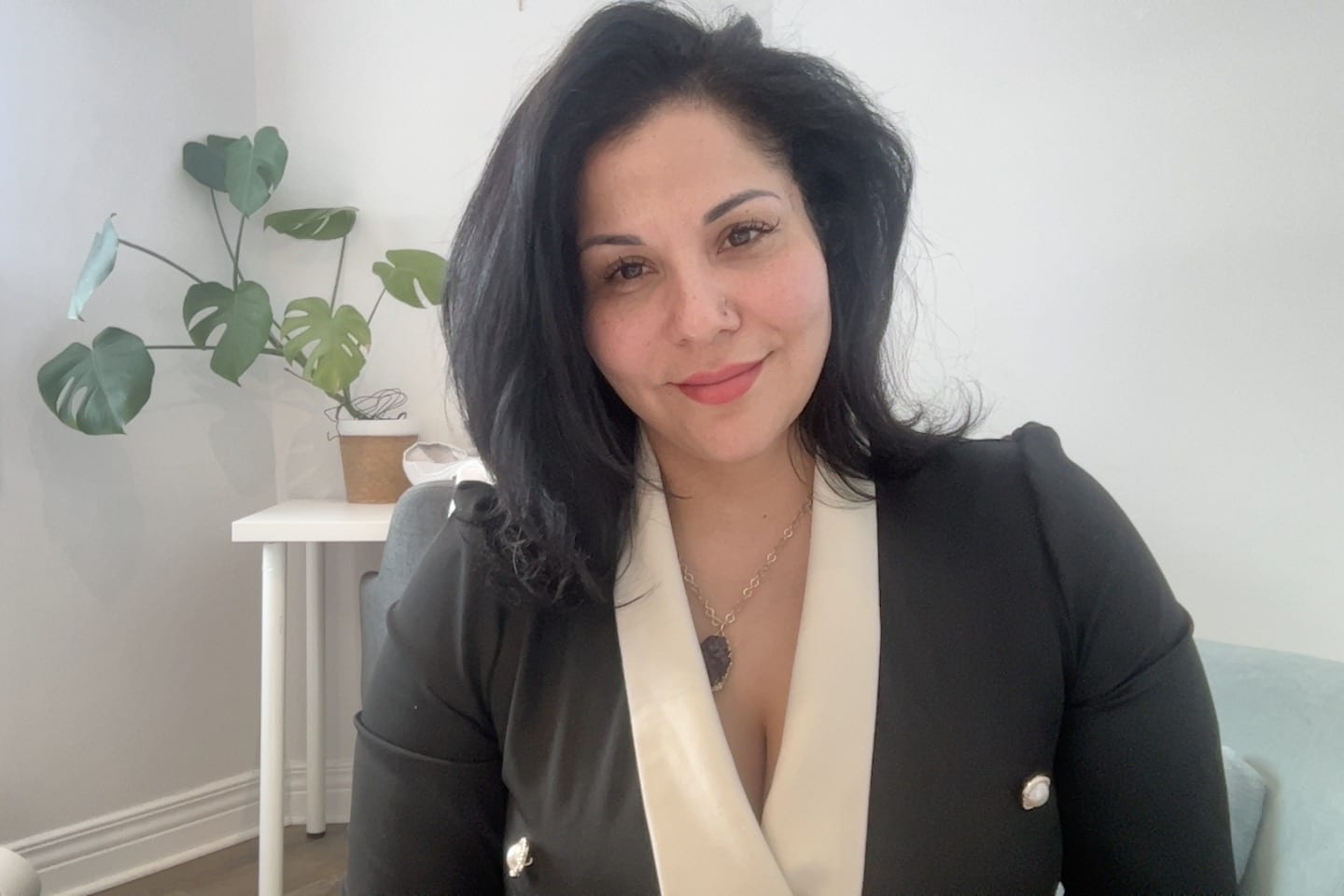
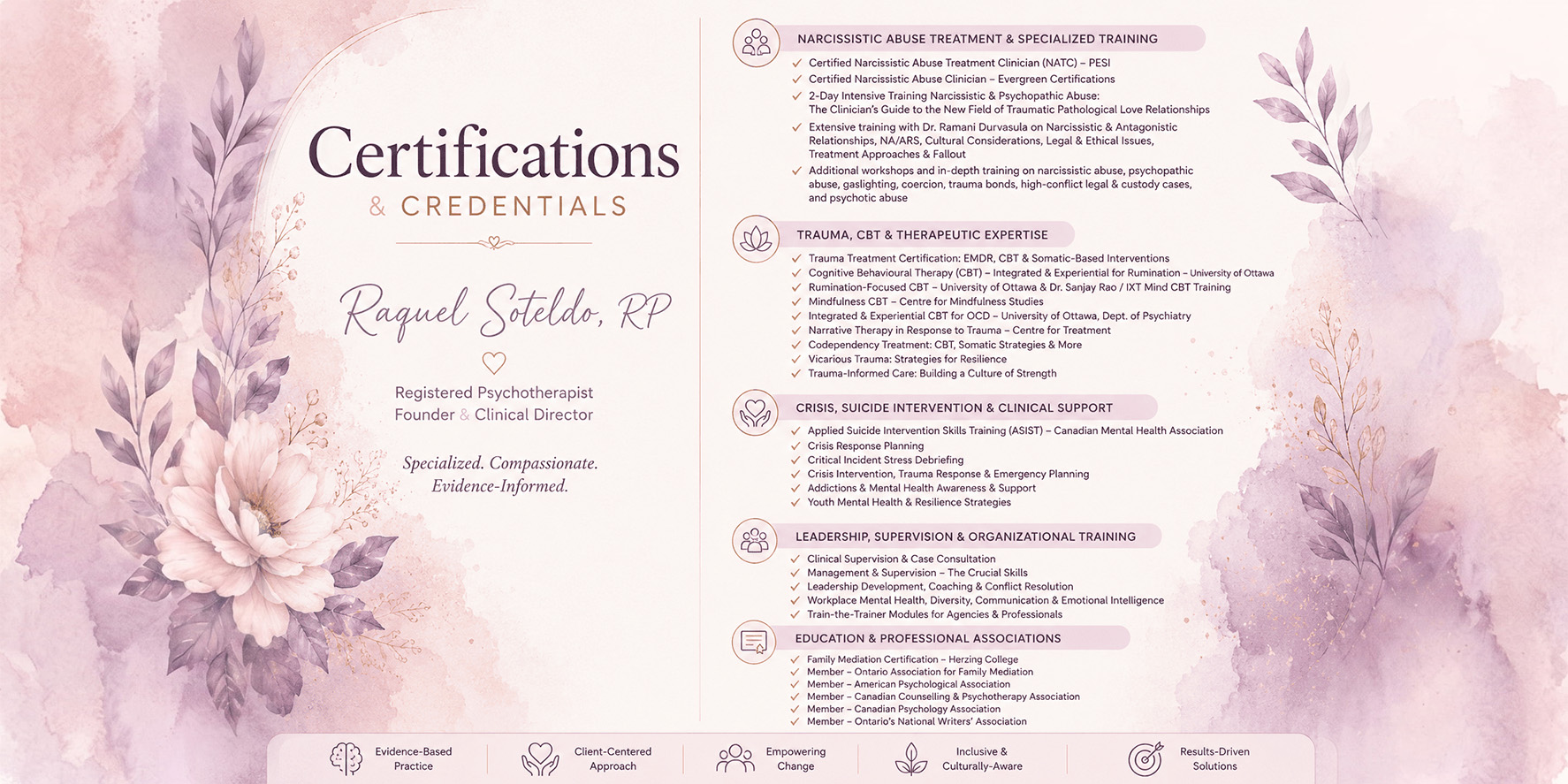
Raquel brings a background in behavioural analysis to her psychotherapy practice. This allows her to examine not only what clients think and feel, but also behavioural patterns, reinforcement cycles, environmental contingencies, relational dynamics, and survival adaptations that can develop within abusive relationships. This lens is particularly relevant to understanding intermittent reinforcement, trauma bonding, coercive behavioural patterns, avoidance, boundary erosion, gaslighting, and the ways survivors may alter their behaviour in response to prolonged control, manipulation, intimidation, or threat.
Her integrative, trauma-informed clinical approach draws from Acceptance and Commitment Therapy (ACT), Cognitive Processing Therapy (CPT)-informed strategies, EMDR-focused trauma treatment strategies, clinical hypnotherapy, behavioural principles, somatic and nervous-system-informed interventions, and psychoeducation. Treatment is individualized and flexible rather than rigidly protocol-driven, allowing interventions to be modified in the moment according to safety, nervous-system activation, dissociation, ongoing contact with an abusive partner or former partner, readiness for trauma processing, and each client’s individual needs and goals.
Raquel is also the creator of the BRAVE Framework — Building Recognition, Advocacy, Validation & Early Response, a trauma- and violence-informed framework designed to strengthen the recognition of IPV and coercive control while promoting validation, survivor agency, safer intervention, advocacy, and earlier response.
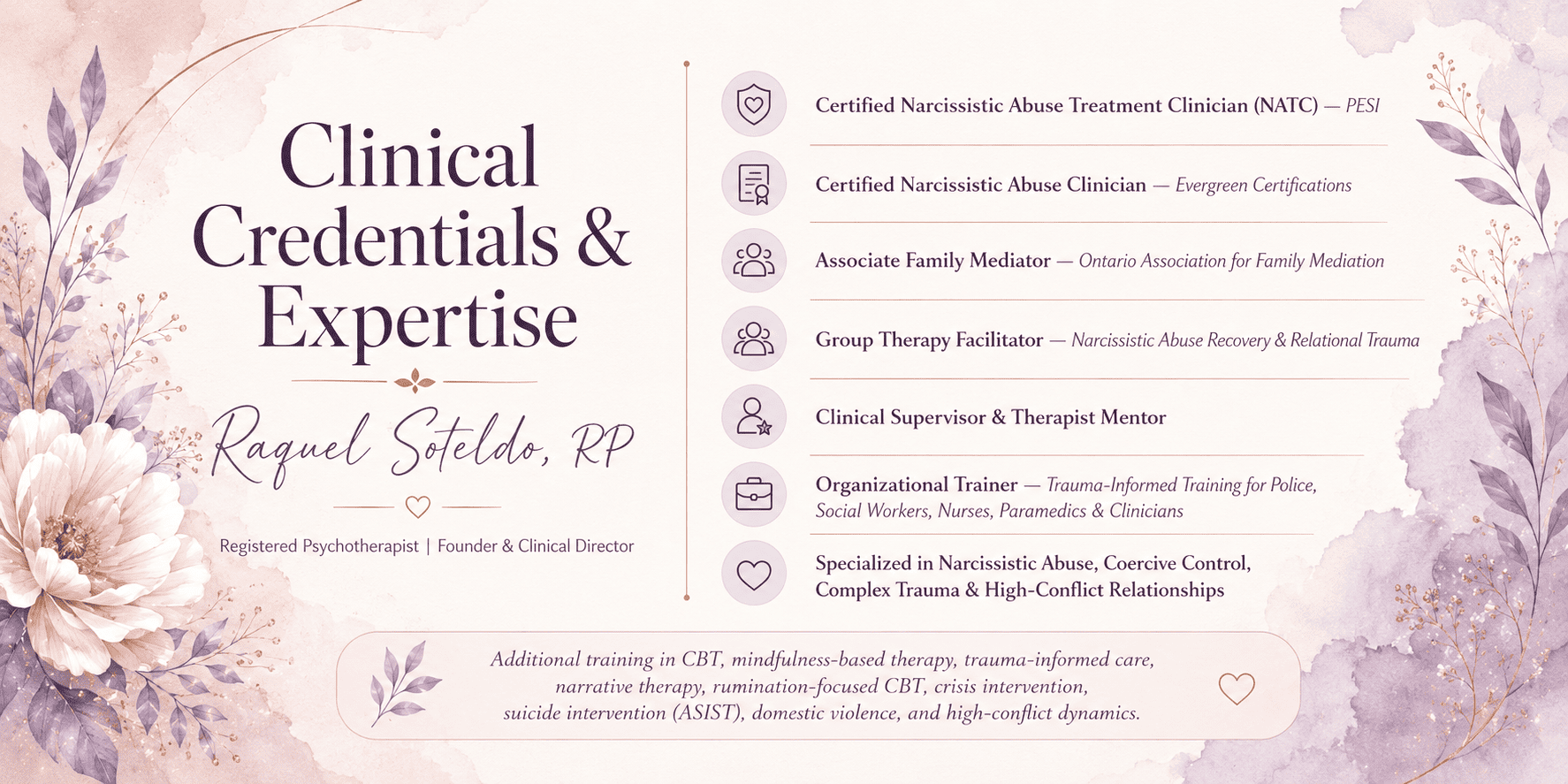
Beyond individual psychotherapy, Raquel facilitates therapeutic groups for survivors and provides specialized education and consultation to the professionals and organizations supporting them. She develops and delivers organizational training, professional workshops, and frontline education for staff, service providers, advocates, clinicians, and other professionals who encounter victims and survivors in their work.
She also delivers monthly Lunch & Learn educational sessions and is available for clinical consultation related to IPV and coercive control, including complex presentations involving narcissistic abuse, trauma bonding, post-separation dynamics, psychological abuse, and coercive patterns that may be difficult to identify through incident-based approaches alone.
Through the National Center of Excellence for IPV & Coercive Control, Raquel’s current focus is expanding education, training, consultation, and professional capacity at a national and federal level. The broader goal is to train, teach, and support the individuals and systems responsible for supporting victims and survivors of narcissistic abuse, sociopathic and psychopathic abuse patterns, coercive control, domestic violence, reproductive coercion, and intimate partner violence.
Her work recognizes that survivors frequently interact with multiple systems—including psychotherapy and mental health services, healthcare, victim services, policing, legal and family-court systems, social services, workplaces, and community organizations. Strengthening the knowledge and confidence of the professionals within these systems is therefore an important part of improving survivor response.
Raquel also provides clinical supervision to developing clinicians and university students across Ontario, supporting the development of trauma-informed, ethically grounded, and clinically sophisticated practice.
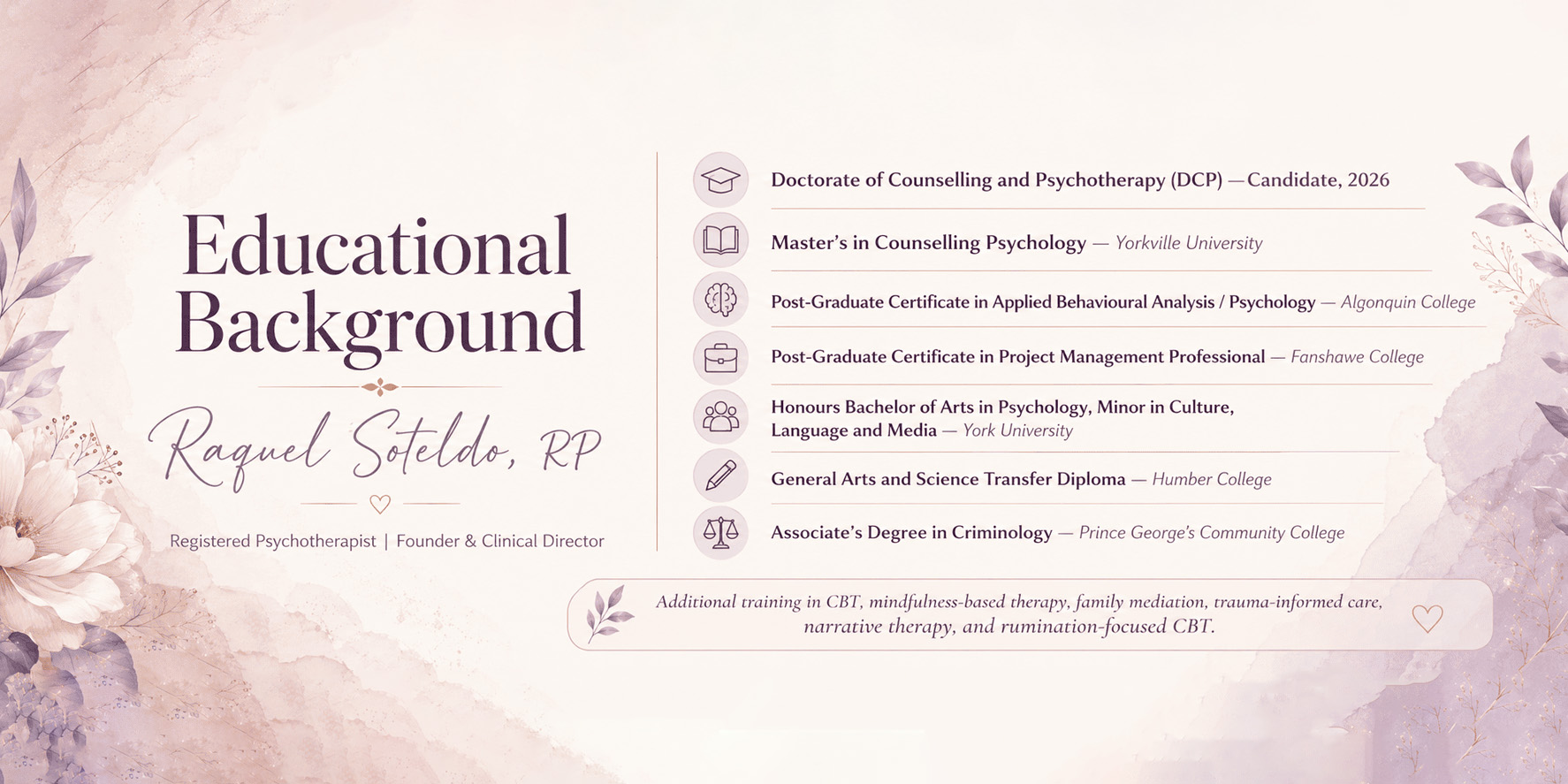
Alongside her clinical, supervisory, and organizational work, Raquel is currently completing her Doctorate in Counselling Psychology at Yorkville University, further developing her research and advanced clinical work in areas related to interpersonal violence and reproductive coercion.
At the centre of Raquel’s work is the belief that behaviours frequently described as “maladaptive” may have originally developed as intelligent responses to unsafe environments. Her approach therefore begins with curiosity rather than judgment: What function did this response serve? What was the person adapting to? Is that response still protecting them today? And what new choices become possible when safety, autonomy, psychological flexibility, and self-trust are restored?
Across psychotherapy, survivor groups, clinical supervision, consultation, professional education, and systems-level training, Raquel’s work has a common objective: to improve how we recognize abuse, how we respond to survivors, and how we equip the people responsible for supporting them.