
Ottawa | October 2, 2026
Delivered by Raquel Soteldo, RP, CCC
Founder, B.R.A.V.E.™ Framework

On October 2, 2026, the B.R.A.V.E.™ Framework was delivered in Ottawa in a professional-development workshop involving frontline victim-service professionals.
The session explored intimate partner violence, coercive control, post-separation abuse, narcissistic abuse dynamics, atypical trauma presentations, documentation practices, case analysis, and practical approaches for responding to survivors.
Rather than functioning as another IPV screening tool, B.R.A.V.E.™ is an interactional framework designed to support what happens during and after frontline contact with a person experiencing abuse.
found the B.R.A.V.E.™ Framework at least somewhat useful for guiding a frontline response.
rated the facilitator’s knowledge of IPV and coercive control Good, Very Good or Excellent.
13 of 17 respondents with a clear answer rated the translation of complex concepts into practical frontline strategies Good, Very Good or Excellent. One additional response was unclear.
rated the overall workshop Good, Very Good or Excellent.
reported feeling better prepared to respond to individuals experiencing IPV or coercive control following the training.
reported increased confidence identifying patterns of coercive control that may not be apparent from a single incident.
Results are based on 18 participant evaluation forms from the October 2, 2026 workshop and are reported in aggregate. Percentages are rounded. They reflect respondents’ self-reported experiences, not organizational endorsement or independently measured practice outcomes. Item-specific denominators are shown where an answer was unclear or missing.
Participants identified the use of real-world cases and video analysis as helpful in translating theory into practice.
Feedback described the framework as organized and practical to carry into frontline work.
Participants expressed interest in more practical material on:
Feedback reinforced the importance of:
Pattern recognition, victim interaction, coercive-control dynamics, documentation and post-separation risk.
Police training →Brief-contact intervention, safety, validation, referral and survivor agency.
Assessment, case conceptualization, documentation, treatment planning and safety.
Recognition, safe inquiry, documentation, referral and appropriate response.
Understanding patterns of coercive control, client presentation, documentation and post-separation abuse.
Safety, stabilization, advocacy, referral and survivor-centred interaction.

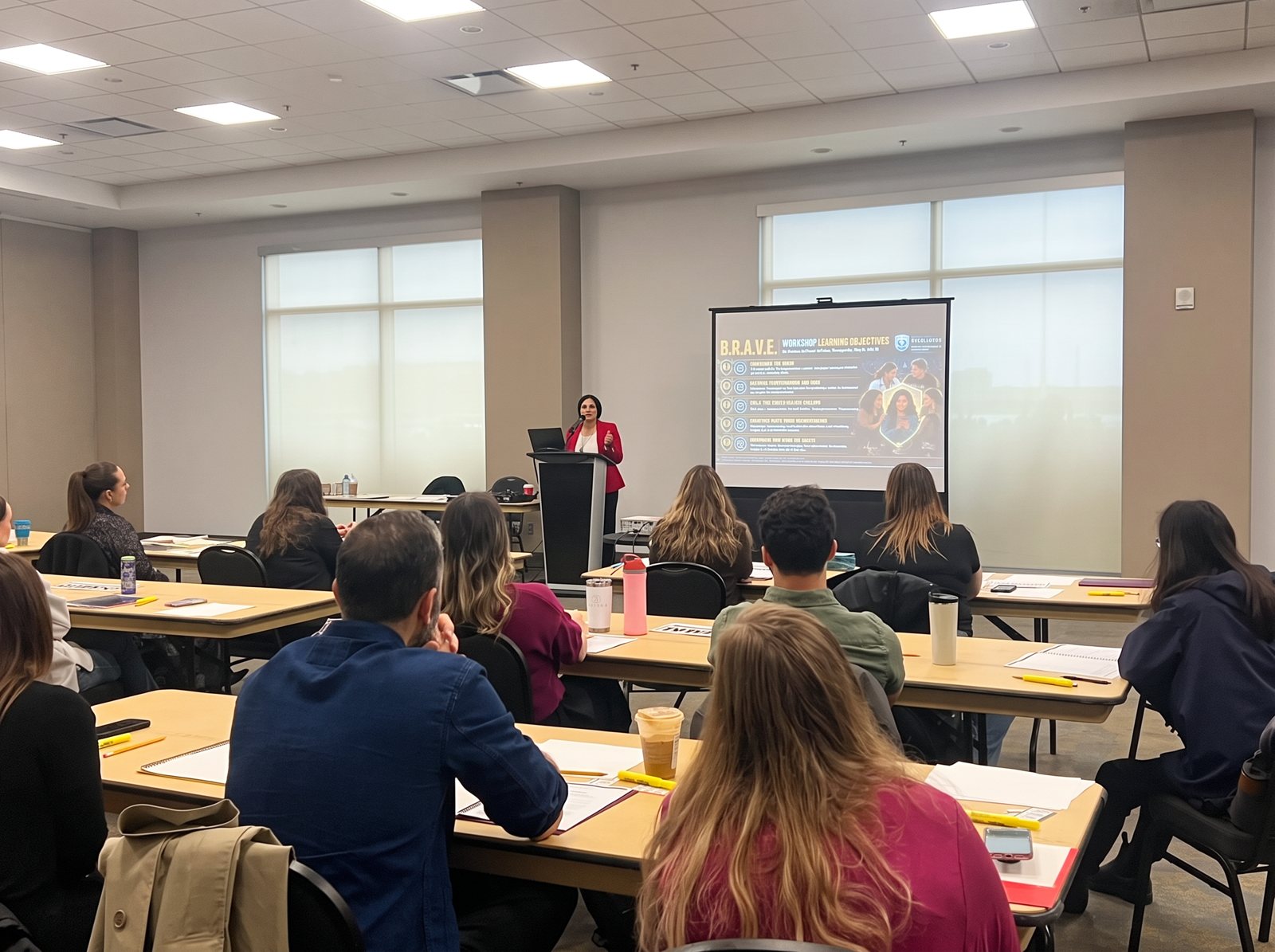
Professional development workshop on intimate partner violence and coercive control.
Participant evaluation results represent individual responses collected following the workshop and should not be interpreted as an endorsement by any participating organization.