
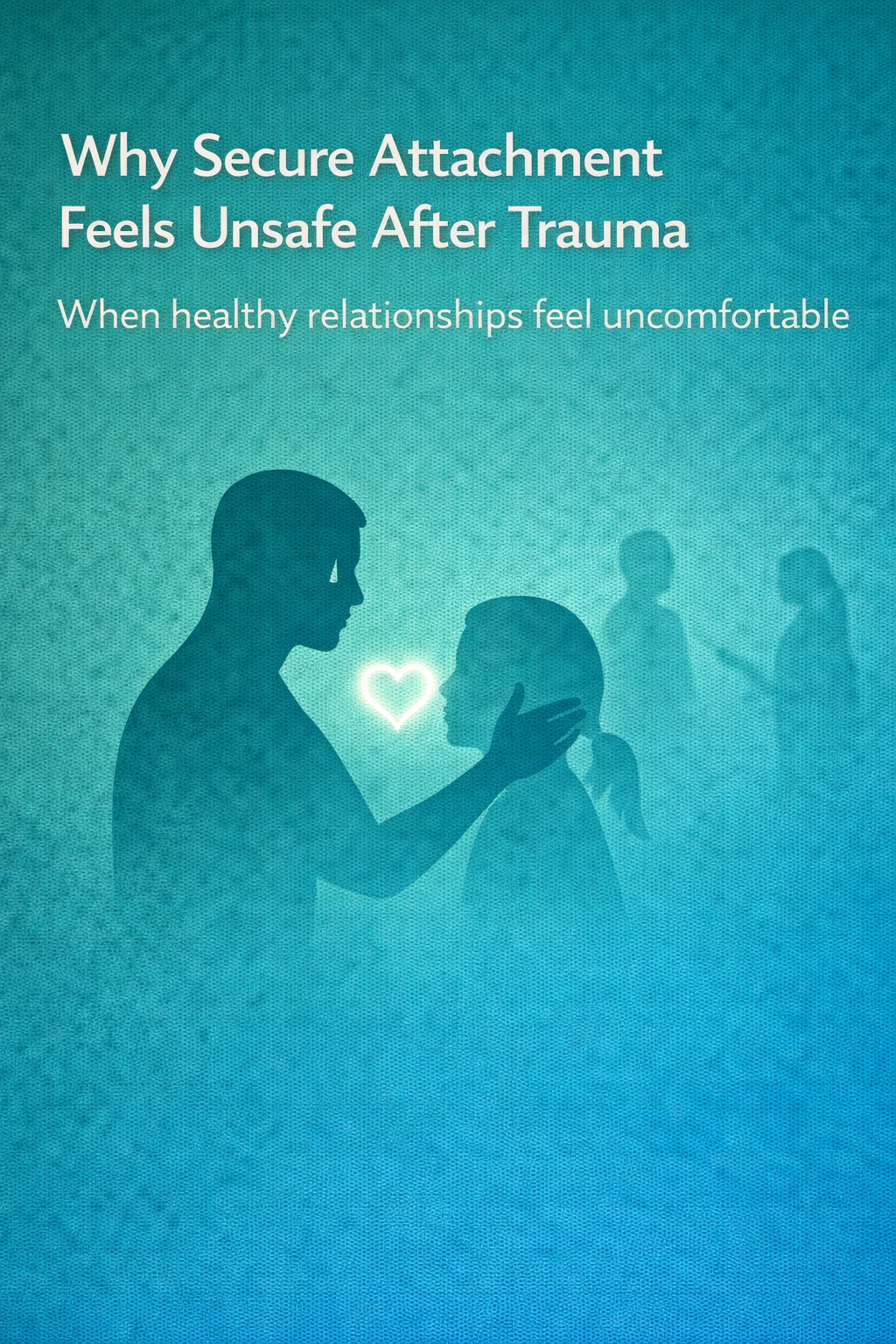
Why Secure Attachment Feels Unsafe After Trauma
When healthy relationships feel uncomfortable Many trauma survivors report feeling bored, anxious, or unsettled in stable relationships. This reaction often reflects conditioning,
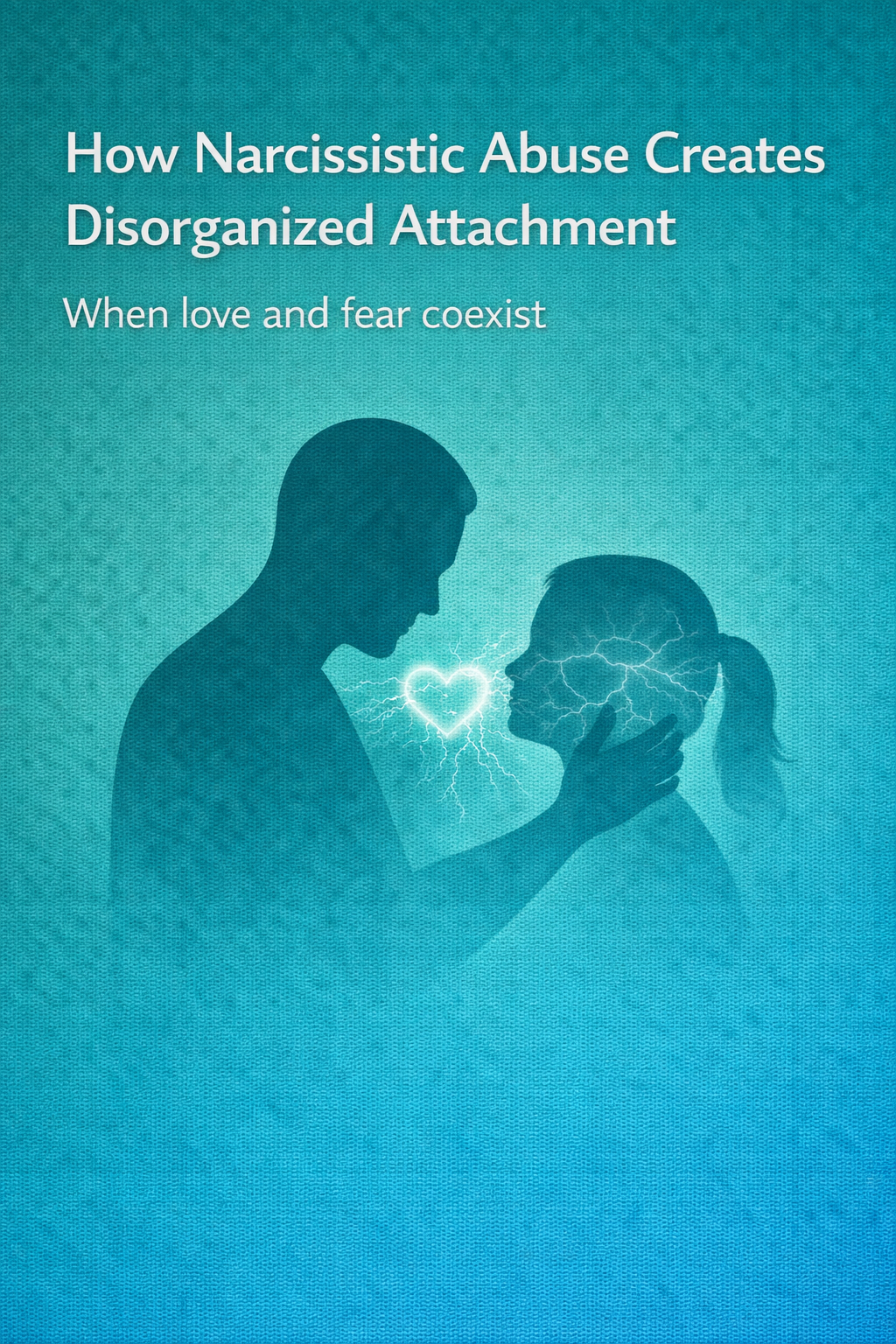
How Narcissistic Abuse Creates Disorganized Attachment
When love and fear coexist Disorganized attachment forms when the same person is both a source of comfort and a source of fear. This is common in narcissistic abuse, where caregive
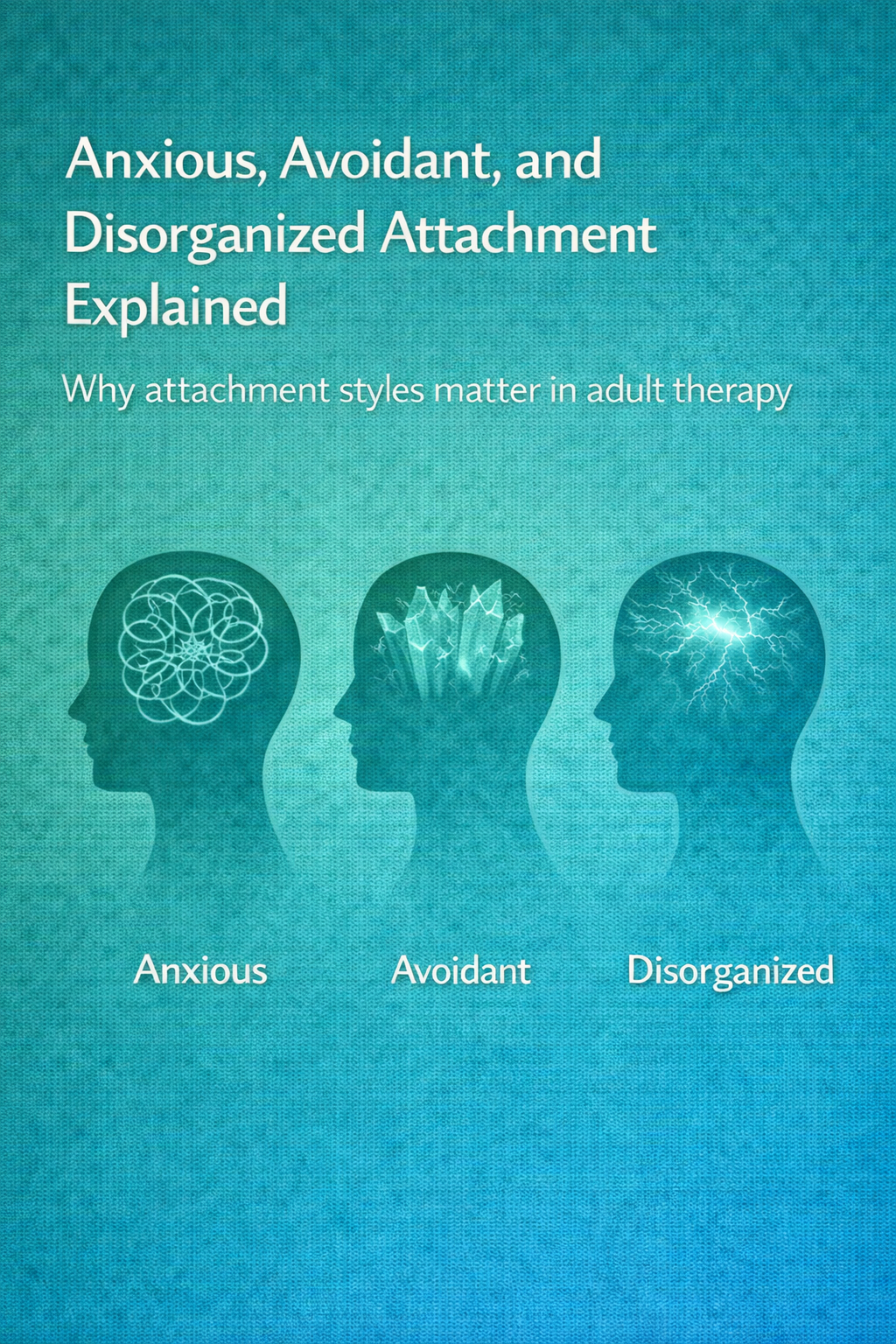
Anxious, Avoidant, and Disorganized Attachment Explained
Why attachment styles matter in adult therapy Many adults blame themselves for relationship struggles without realizing that their reactions are shaped by attachment patterns forme
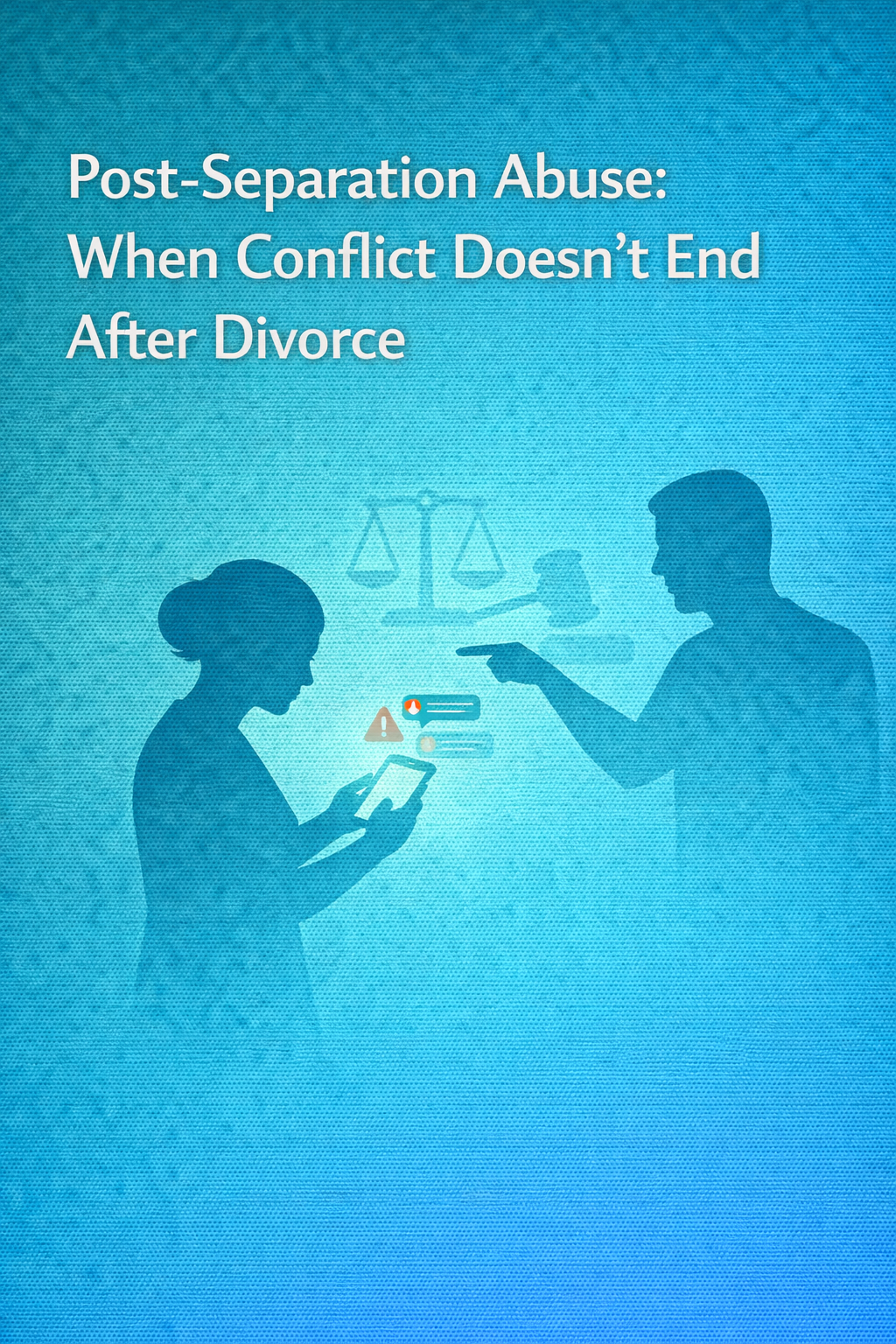
Post-Separation Abuse: When Conflict Doesn’t End After Divorce
Many people expect conflict to decrease after separation. For some, it does. For others, it intensifies. This is known as post-separation abuse — a pattern where control, intimid
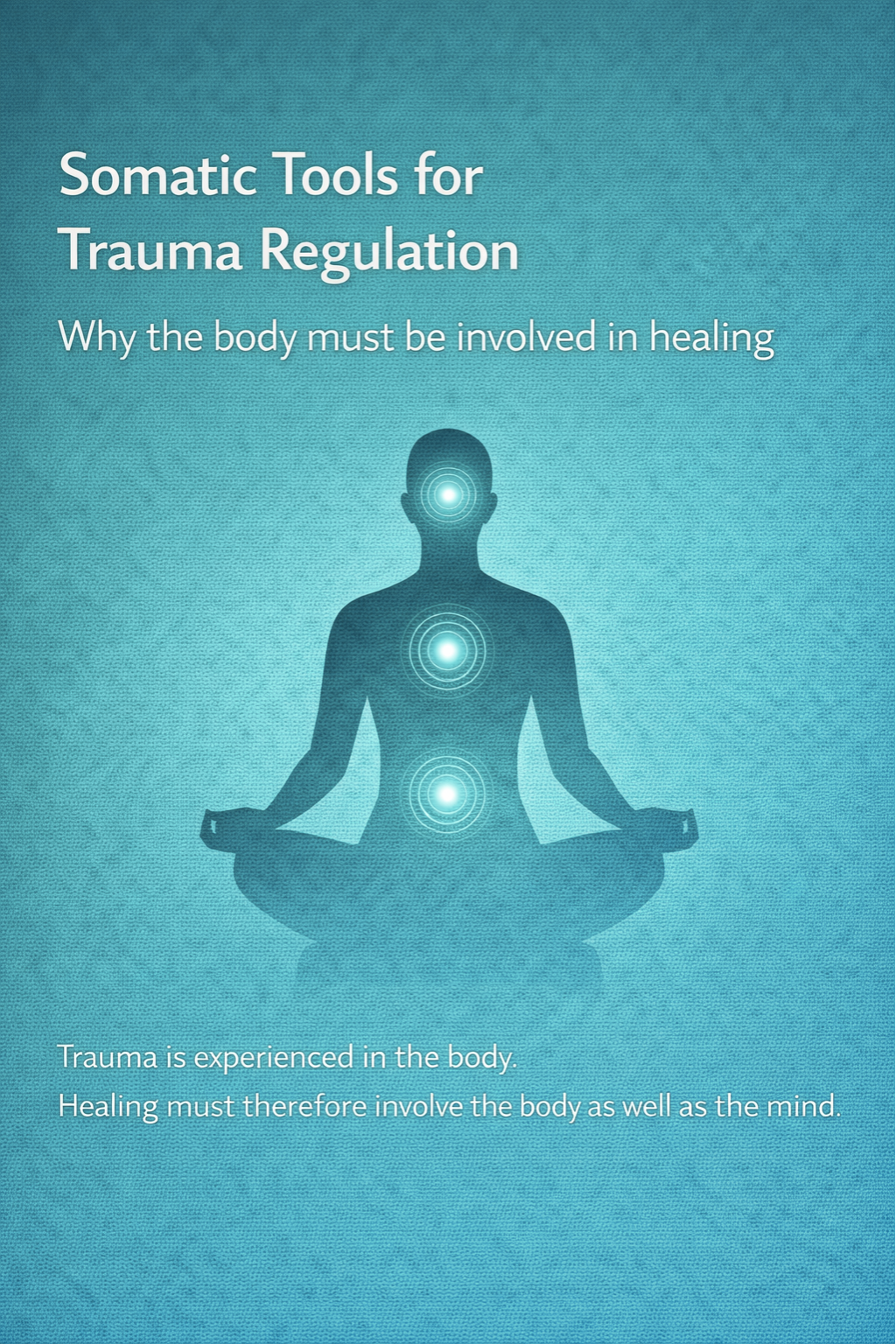
Somatic Tools for Trauma Regulation
Why the body must be involved in healing Trauma is experienced in the body. Healing must therefore involve the body as well as the mind. Somatic tools help regulate the nervous sys
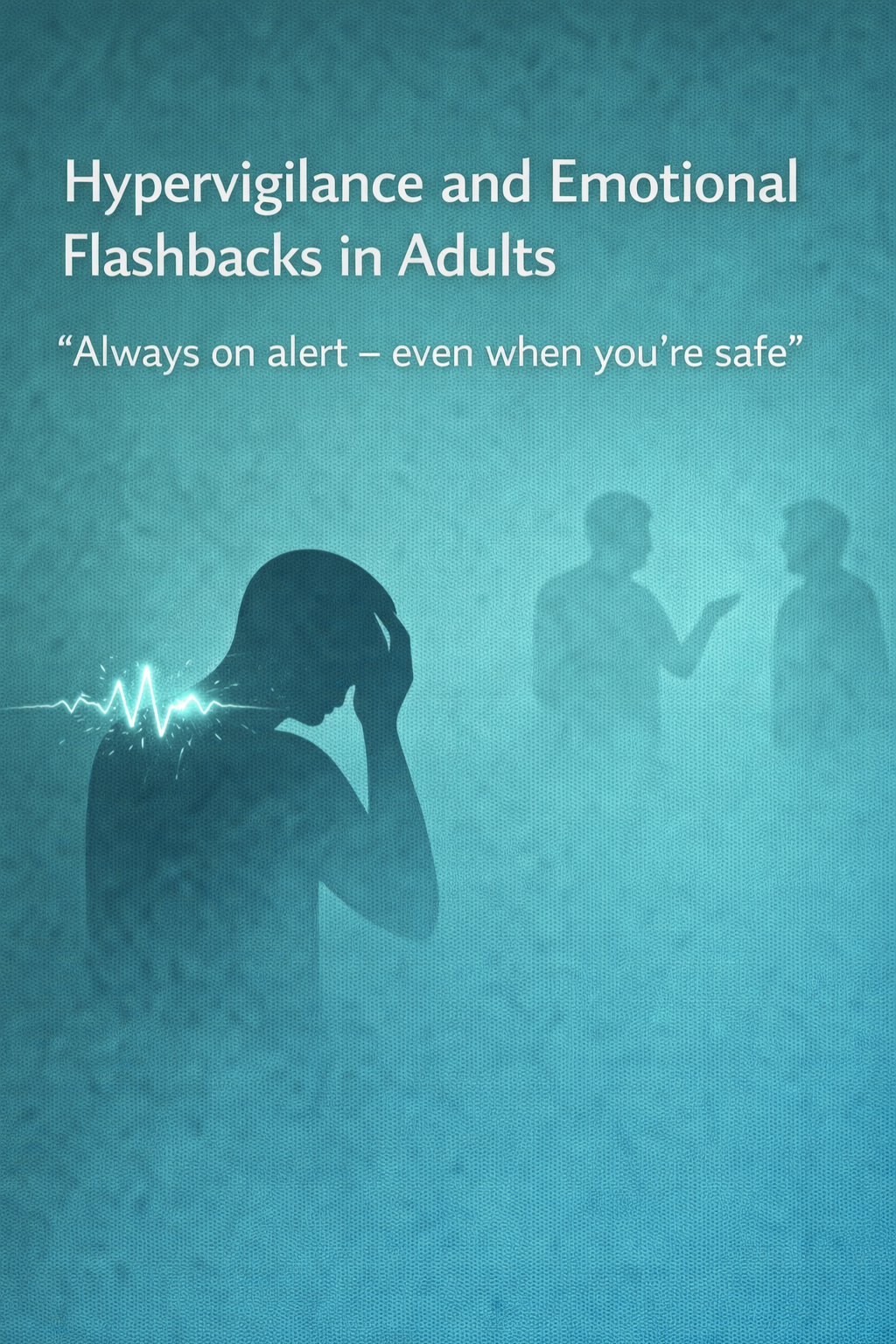
Hypervigilance and Emotional Flashbacks in Adults
Always on alert — even when you’re safe Hypervigilance is a state of constant threat monitoring. Many adults describe feeling unable to relax, even in calm environments. This i
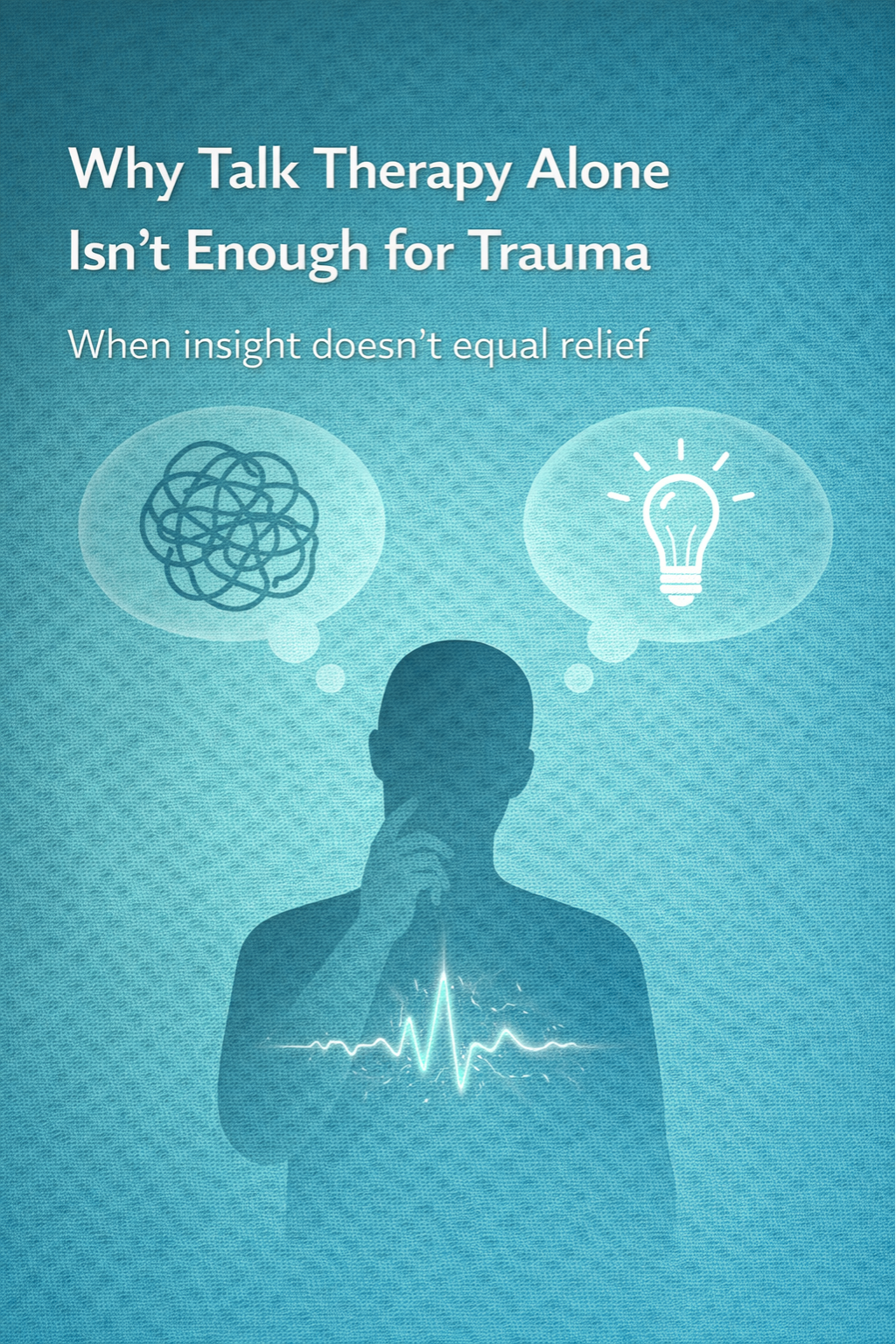
Why Talk Therapy Alone Isn’t Enough for Trauma
When insight doesn’t equal relief Many trauma survivors are insightful, articulate, and self-aware — yet continue to struggle with anxiety, emotional overwhelm, or shutdown. Th
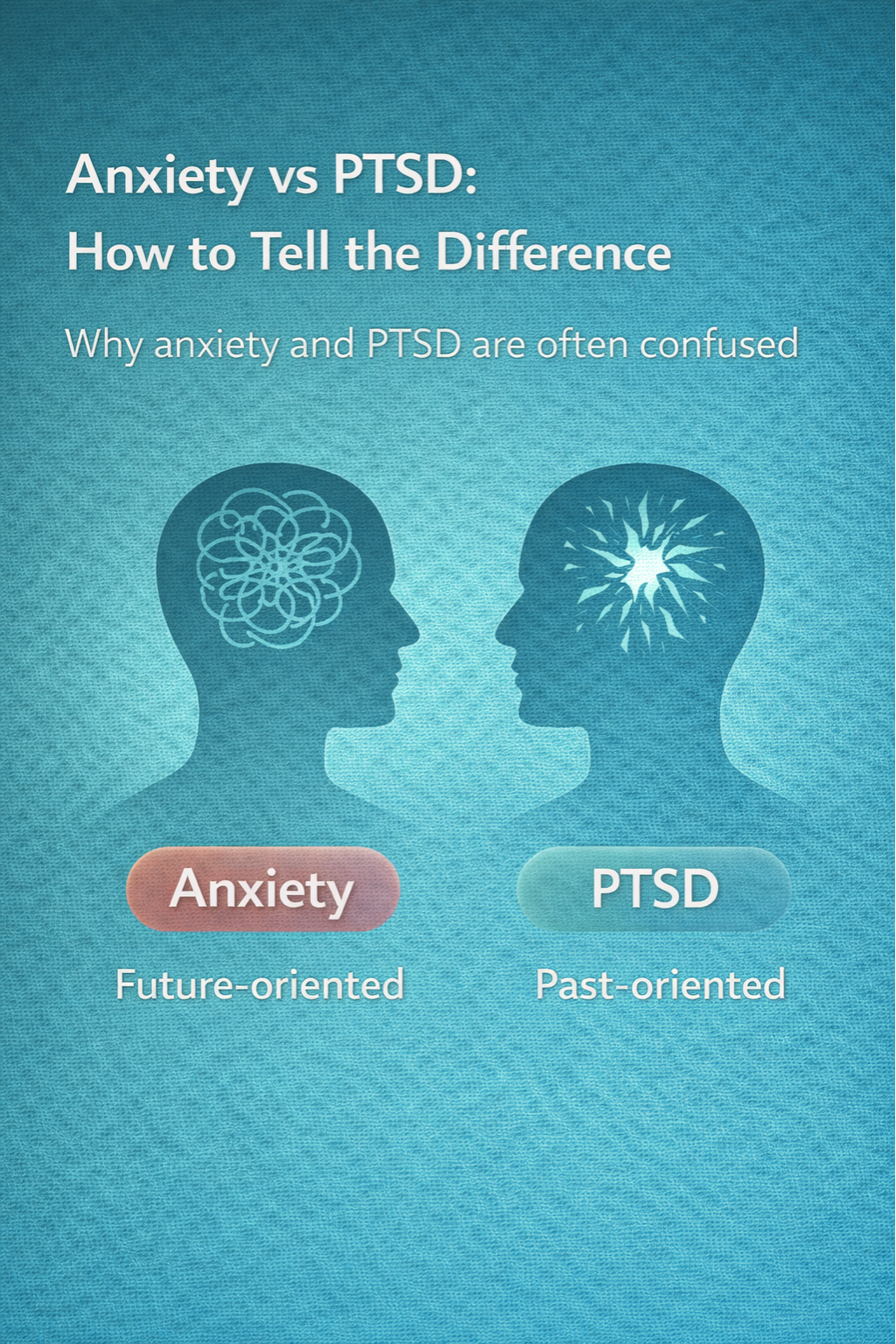
Anxiety vs PTSD: How to Tell the Difference
Why anxiety and PTSD are often confused Anxiety and PTSD share many symptoms — racing thoughts, panic, restlessness, sleep disturbances — yet they are not the same condition. U
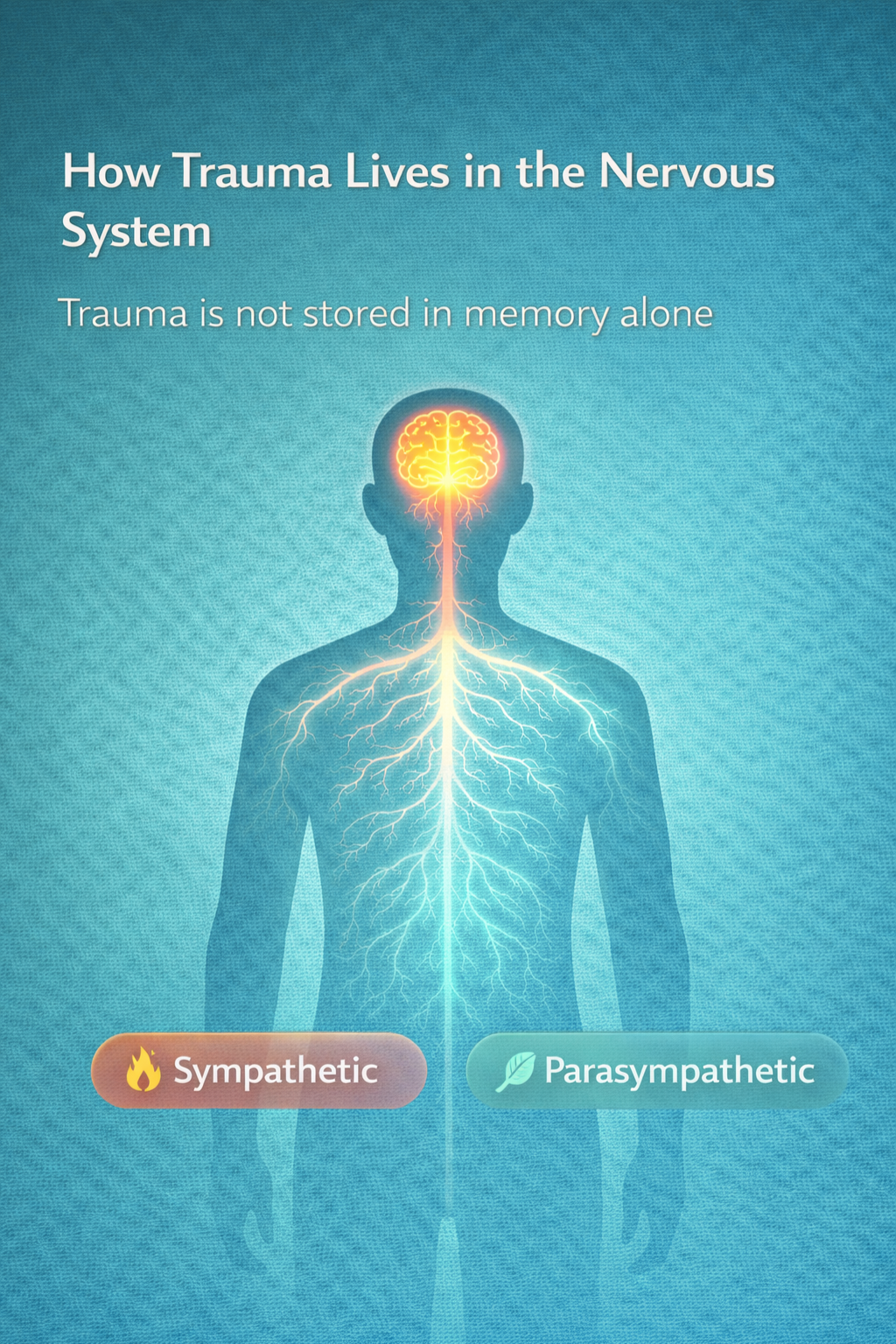
How Trauma Lives in the Nervous System
Trauma is not stored in memory alone Many adults enter therapy believing their anxiety, panic, or emotional overwhelm is a thinking problem. They may say, “I know I’m safe, but
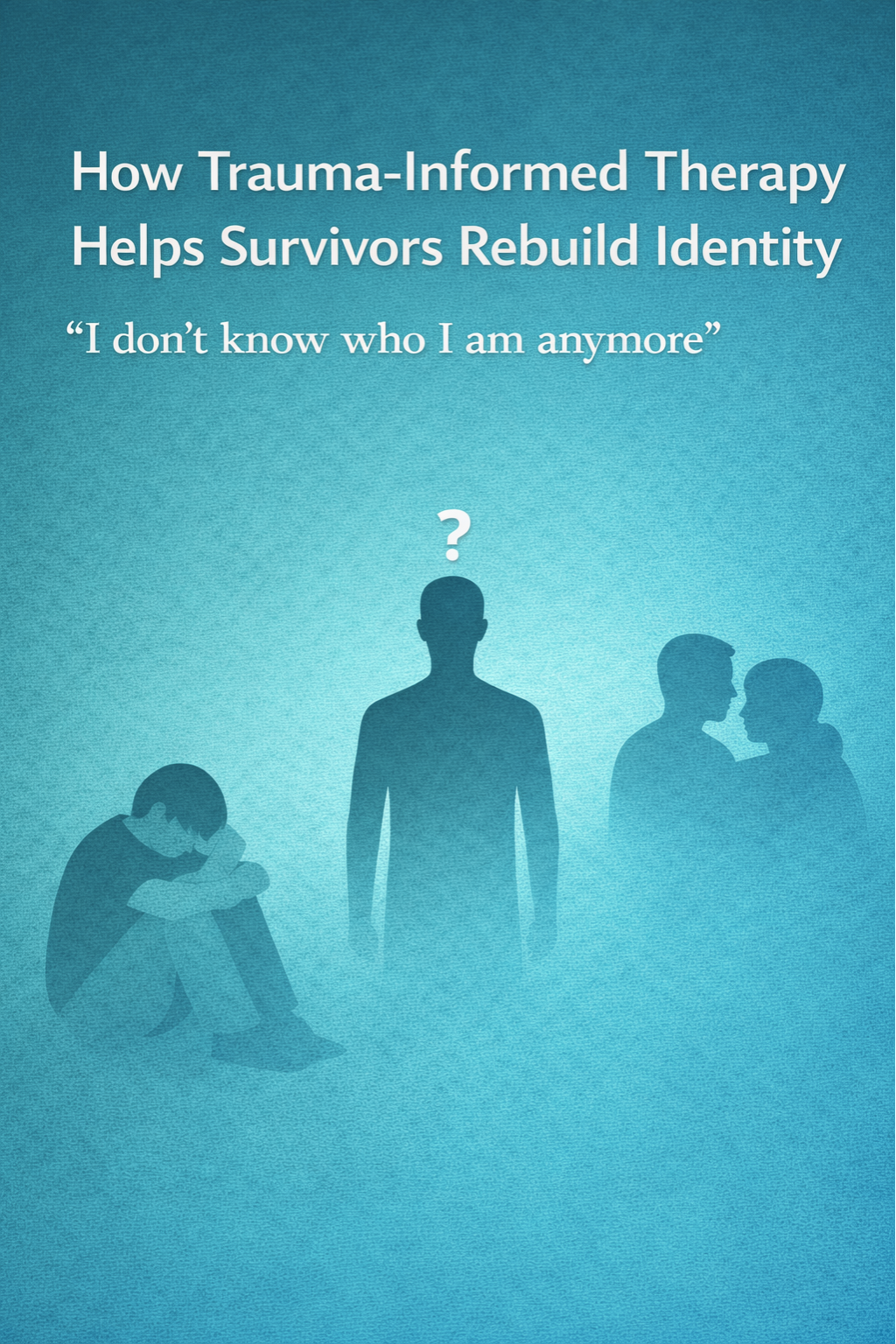
How Trauma-Informed Therapy Helps Survivors Rebuild Identity
“I don’t know who I am anymore” This is one of the most common statements survivors make after narcissistic abuse. Years of manipulation, invalidation, and control often leav