
Understanding and Healing from Narcissistic and Toxic Relationships
Healing from narcissistic and toxic relationships begins with understanding what you’ve been through and how it affected you. These relationships can leave lasting imprints on yo
How Unprocessed Grief Accumulates and Impacts Your Life
Grief is a natural part of life, yet many of us struggle to process it fully—and unprocessed grief can quietly build beneath the surface. From the loss of relationships, opp
The Universe is Always Looking Out for You: Understanding Your Nervous System
The universe is always looking out for you, even when life shakes you up. One day everything feels stable, and the next you’re thrown into uncertainty. While it can feel overwhel
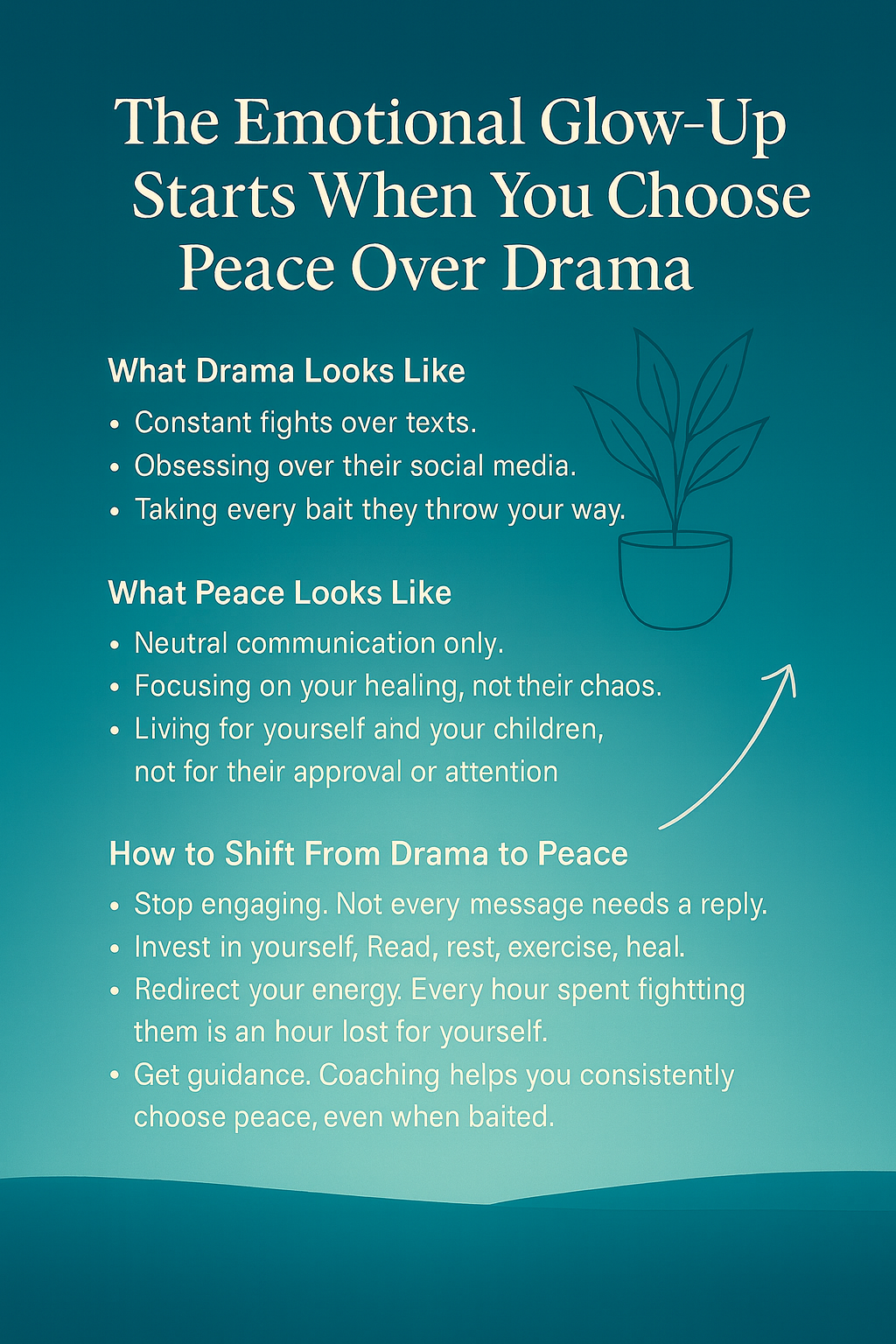
The Emotional Glow-Up Starts When You Choose Peace Over Drama
Introduction The best revenge against a narcissistic ex isn’t anger, and it isn’t proving them wrong in court. The real glow-up is peace. It’s walking away from drama and cho
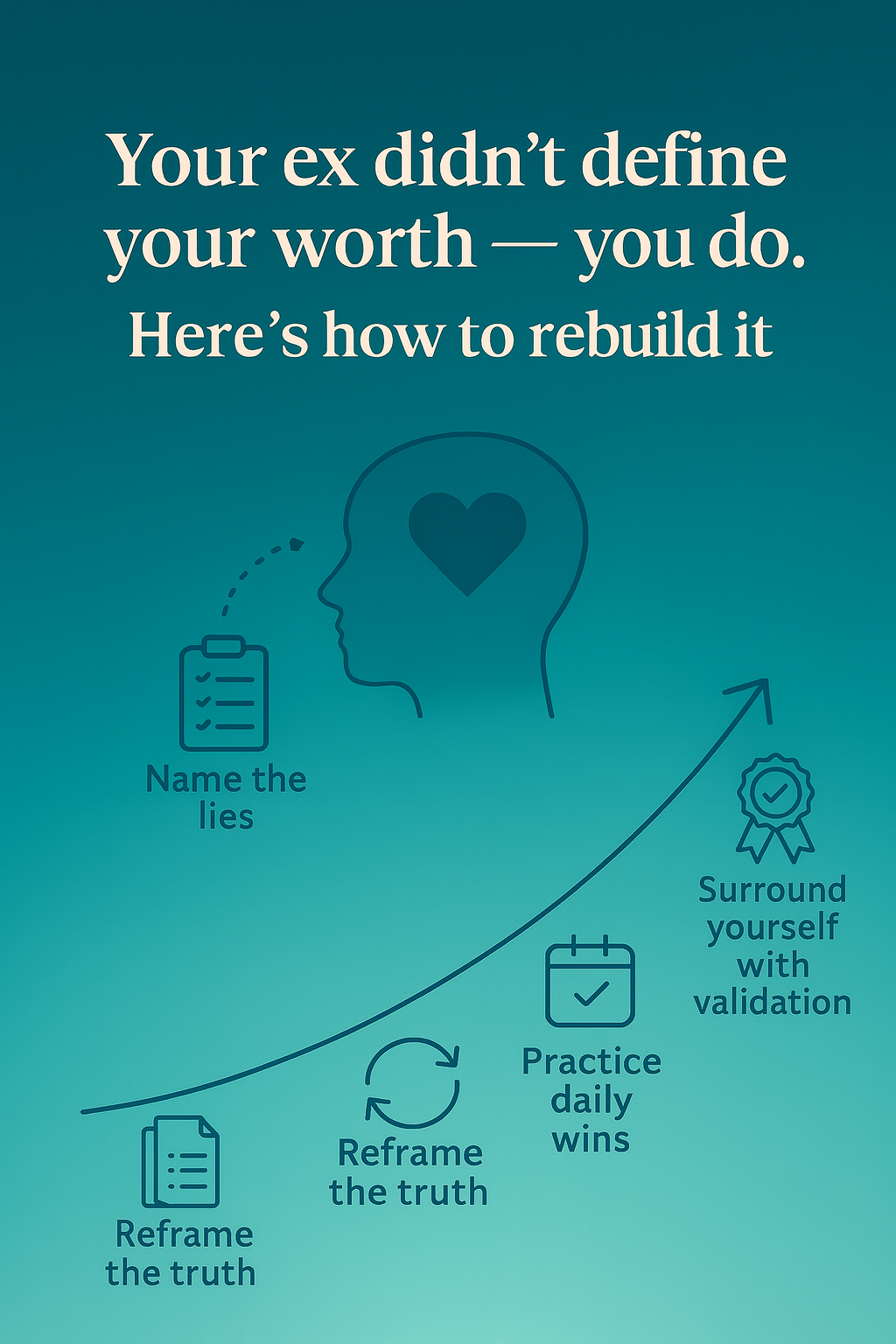
Your Ex Didn’t Define Your Worth — You Do. Here’s How to Rebuild It
Rebuilding self-worth after narcissistic abuse can feel overwhelming. Years of criticism, gaslighting, and manipulation often leave survivors believing they are worthless or broken

The Day You Stop Checking Their Texts Is the Day You Win
Stopping the habit to check your ex’s texts is one of the most powerful turning points after a narcissistic divorce. For many people, the phone becomes a weapon—used through en
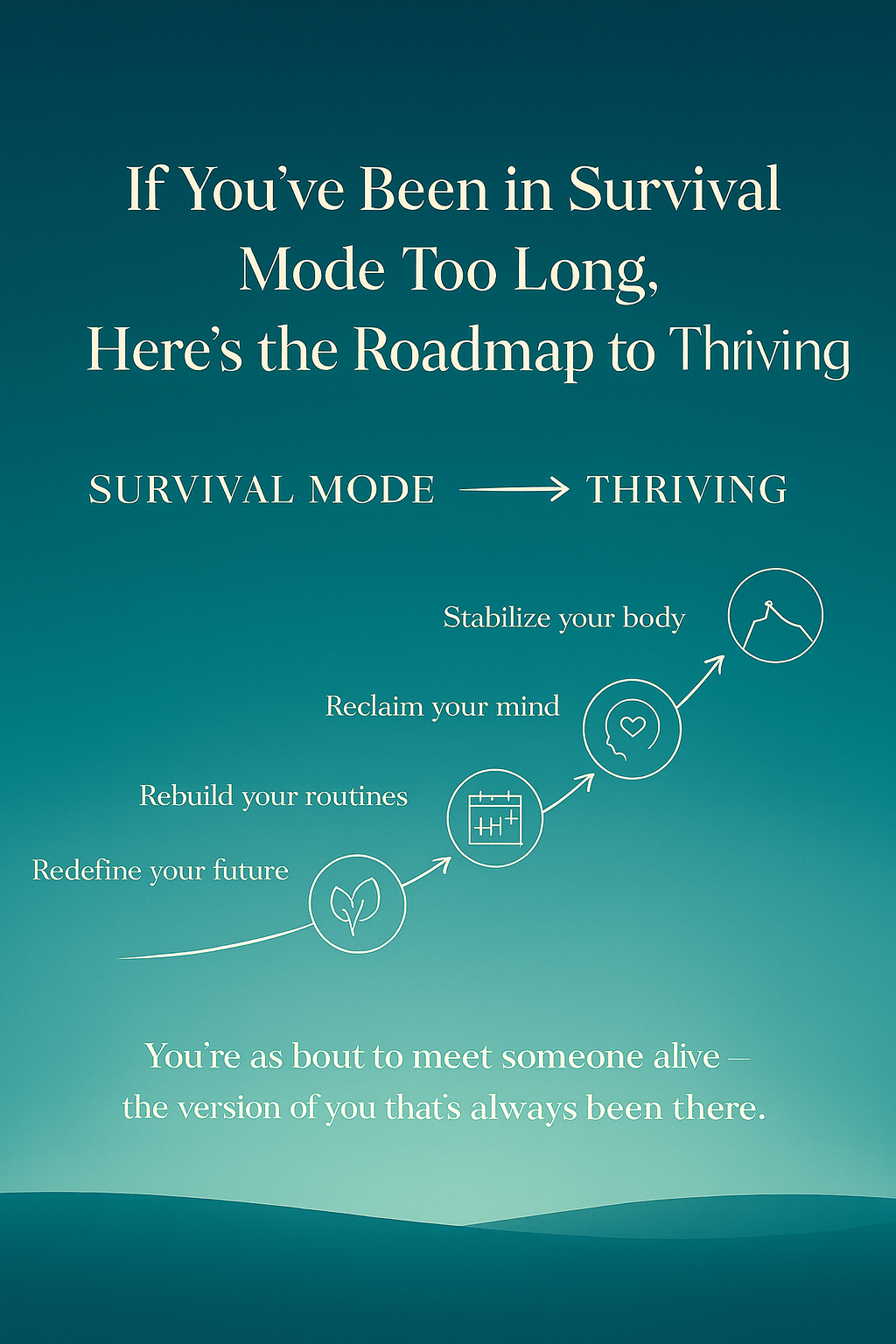
If You’ve Been in Survival Mode Too Long, Here’s the Roadmap to Thriving
Survival mode after divorce helps you endure abuse, separation, and prolonged conflict. It carries you through sleepless nights, endless court dates, and ongoing stress. However, s

That Voice in Your Head Telling You You’re Failing? It’s Lying. Here’s How to Shut It Down.
The inner critic after divorce can be one of the most painful parts of the healing process. For many people, it’s even harder than the paperwork or the conflict itself. That voic
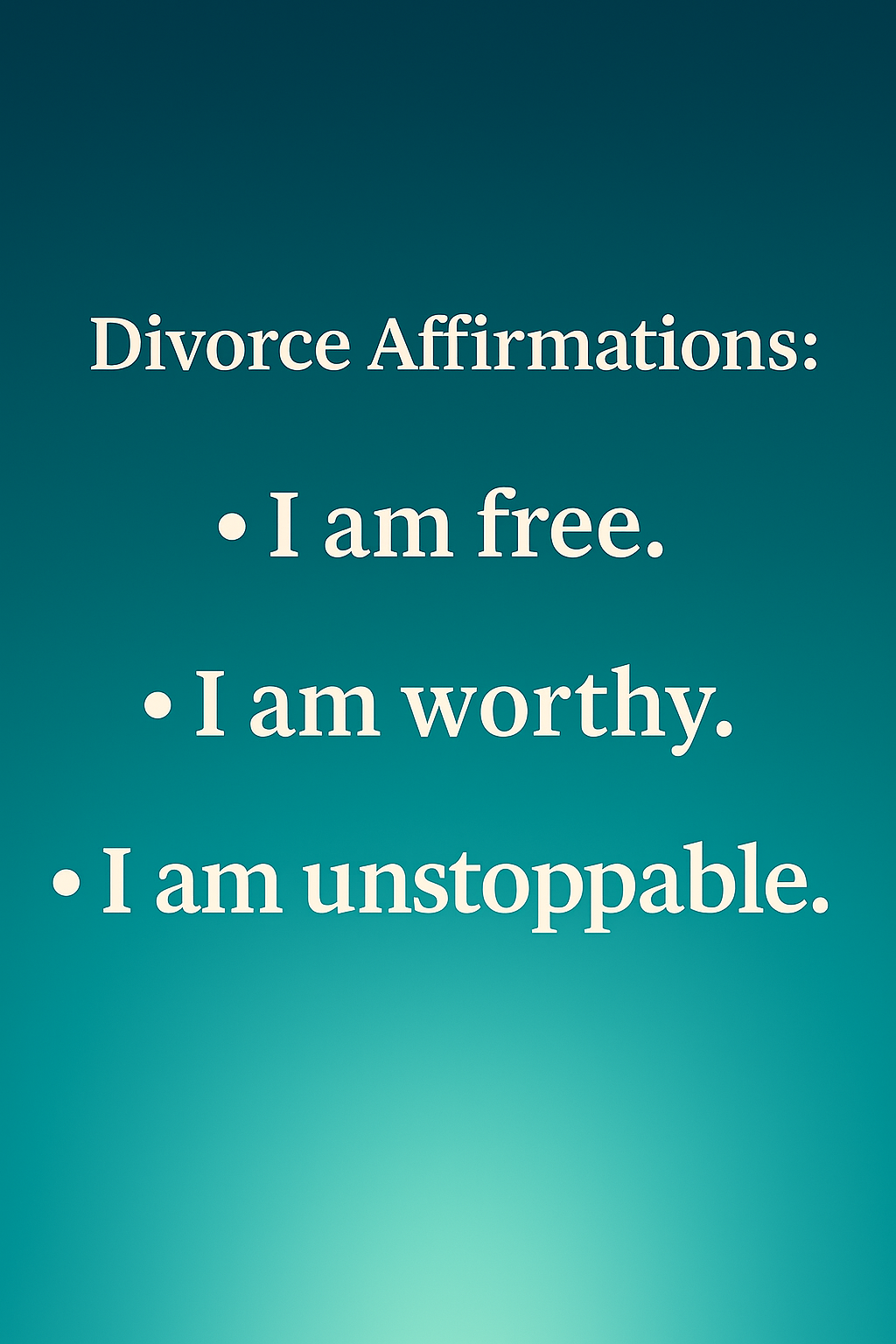
Divorce Affirmations: “I Am Free. I Am Worthy. I Am Unstoppable.”
Divorce affirmations can be a powerful tool when self-esteem has been worn down. Divorce often drains confidence, especially for survivors of narcissistic abuse who find themselves

You’re About to Meet the Real You
Rediscovering yourself after divorce can feel disorienting at first. Many people describe it as an identity crisis, saying, “I don’t know who I am anymore.” However, divorce