
Your Pain Isn’t a Weakness — It’s Proof You’re Still Alive. Here’s How to Turn It Into Fuel
Turning pain into power is one of the most profound shifts after narcissistic abuse or divorce. When you’ve endured prolonged emotional harm, pain can feel like failure or weakne
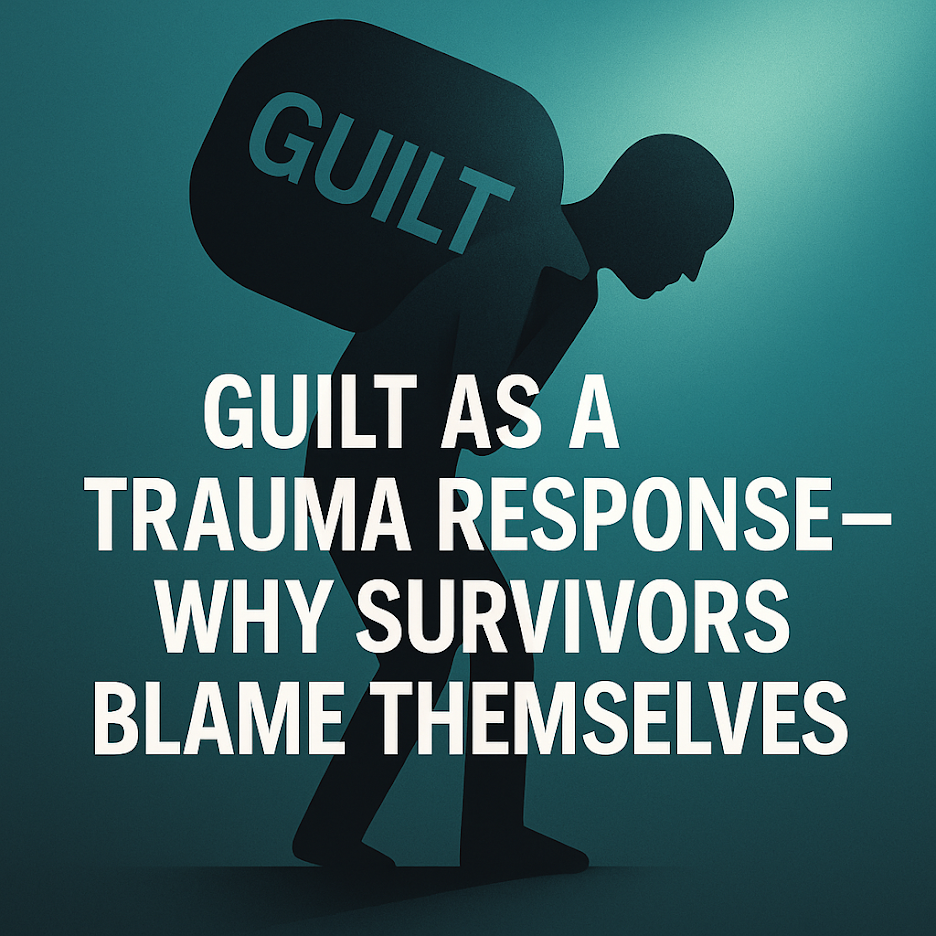
Guilt Is the Anchor That Keeps You Stuck — Here’s How to Let It Go
Guilt after divorce is one of the heaviest emotions many people carry. Clients often share that they feel guilty for leaving, guilty for “breaking up the family,” or guilty for

Divorce Doesn’t End Your Story — It Gives You a Blank Page
Life after divorce is often misunderstood. Divorce is commonly framed as an ending—and in many ways, it is. It closes a chapter that may include loss, betrayal, or years of survi
Emotional Numbness – When Survivors Feel “Flat”
Introduction Psychotherapists working with survivors of narcissistic abuse often encounter clients who say: “I don’t feel anything.” Survivors describe being unable to cry, l
Sensory Overload – Why the World Feels Too Loud After Abuse
Introduction A common but often misunderstood experience among survivors of narcissistic abuse is sensory overload. Clients frequently describe the world as “too loud, too bright
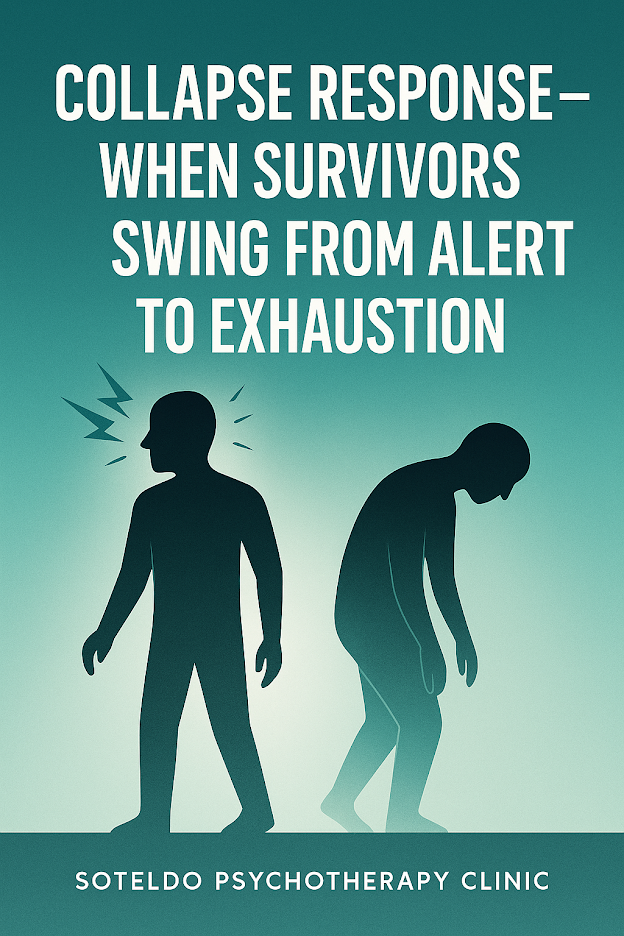
Collapse Response – When Survivors Swing From Alert to Exhaustion
Introduction One of the most puzzling symptoms survivors of narcissistic abuse bring into therapy is the collapse response. Clients often say: “I feel like I’m going full speed
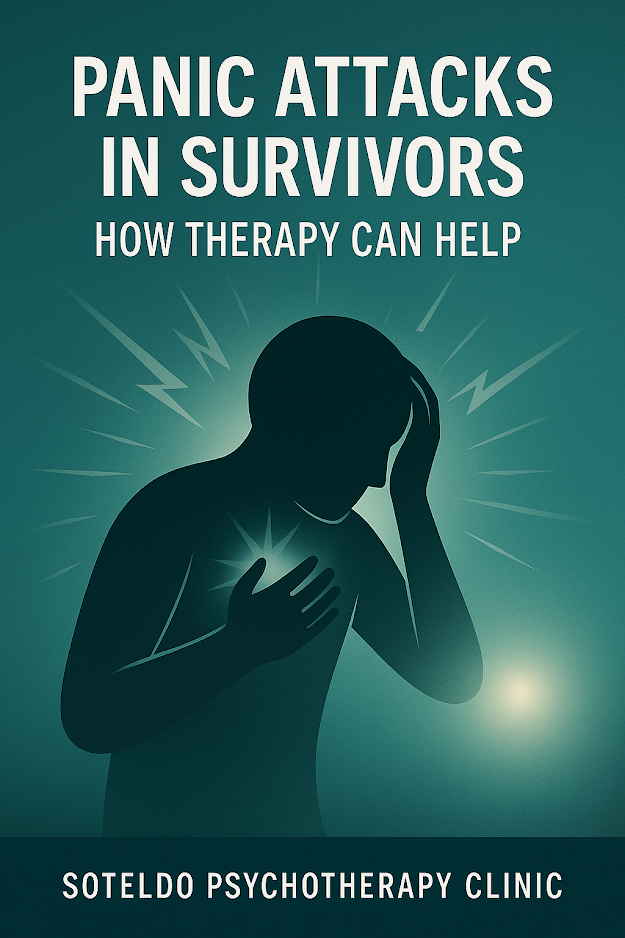
Panic Attacks in Survivors – How Therapy Can Help
Survivors often report panic attacks that feel like they come “out of nowhere.” In reality, panic is the body’s way of remembering danger, even when the mind cannot ident
Silence in Session – What It Means When Survivors Stop Talking (For Psychotherapists)
New therapists often feel uneasy during silence in therapy sessions. Survivors may begin sharing and then suddenly freeze. However, this quiet moment isn’t disengagement—it’s
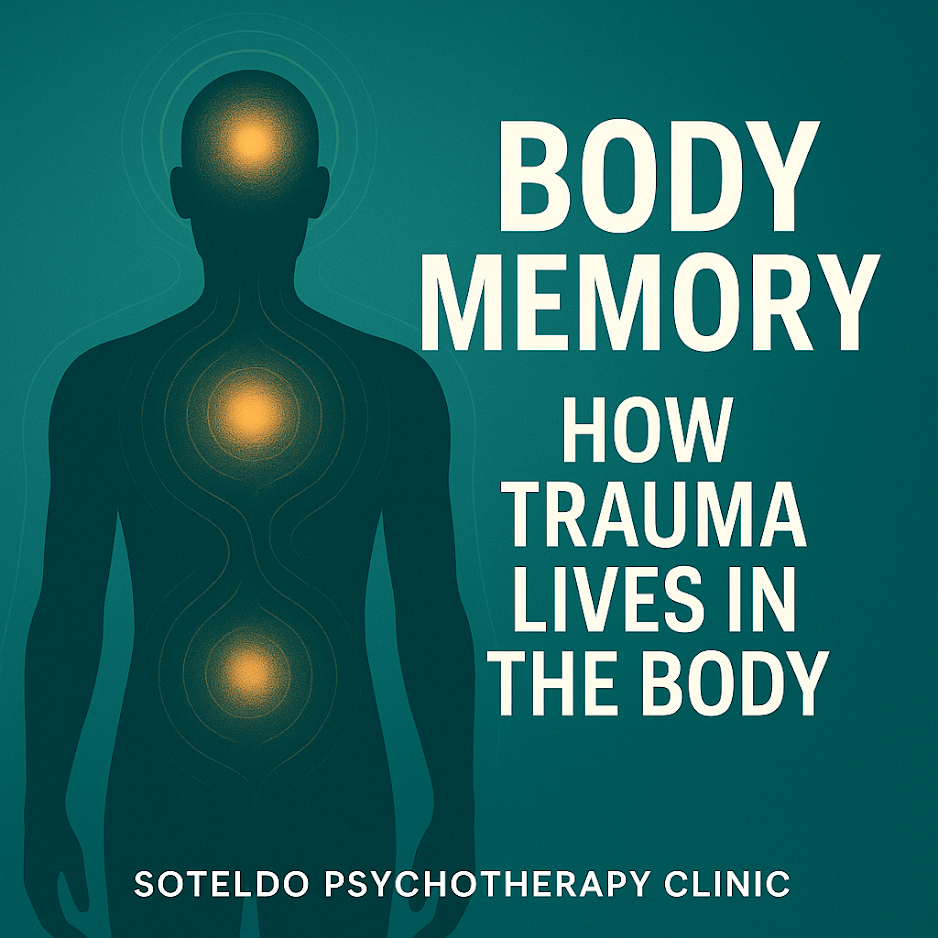
Body Memory – How Trauma Lives in the Body
Not all trauma lives in words. Body memory and trauma connect deeply—many survivors feel chronic pain, muscle tightness, or fatigue even when no medical cause explains it. This r