

Emotional Numbness – When Survivors Feel “Flat”
Introduction Psychotherapists working with survivors of narcissistic abuse often encounter clients who say: “I don’t feel anything.” Survivors describe being unable to cry, l
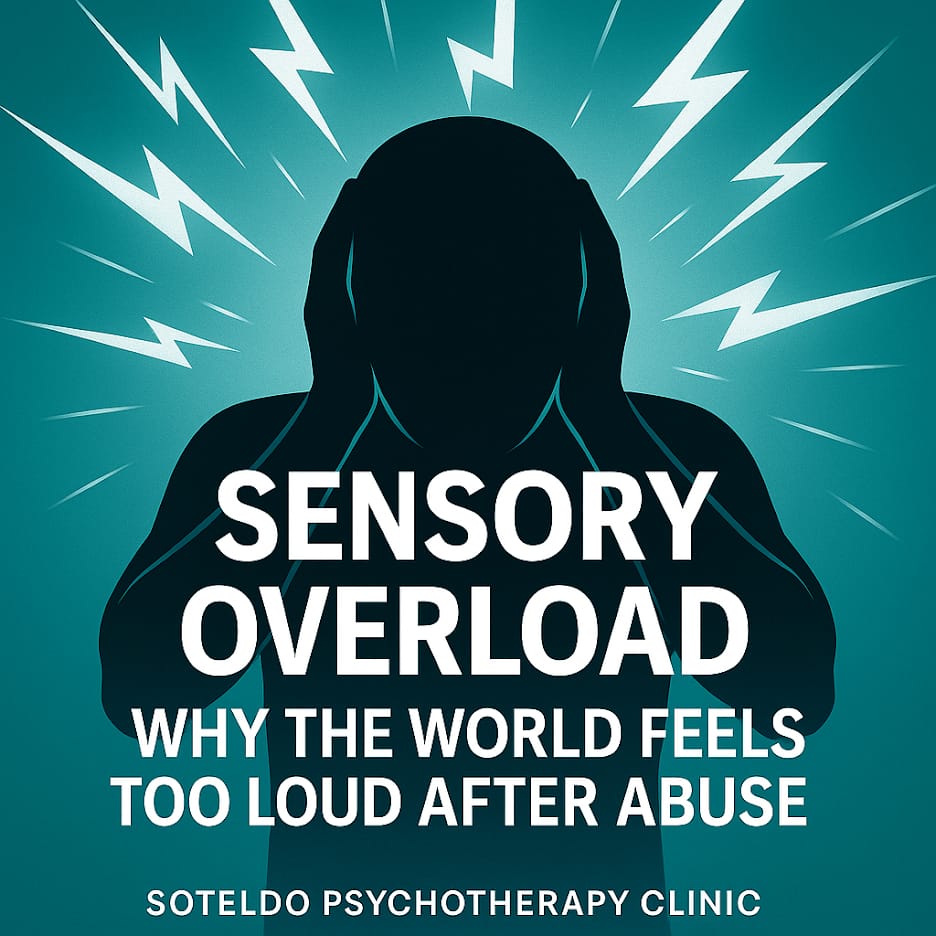
Sensory Overload – Why the World Feels Too Loud After Abuse
Introduction A common but often misunderstood experience among survivors of narcissistic abuse is sensory overload. Clients frequently describe the world as “too loud, too bright
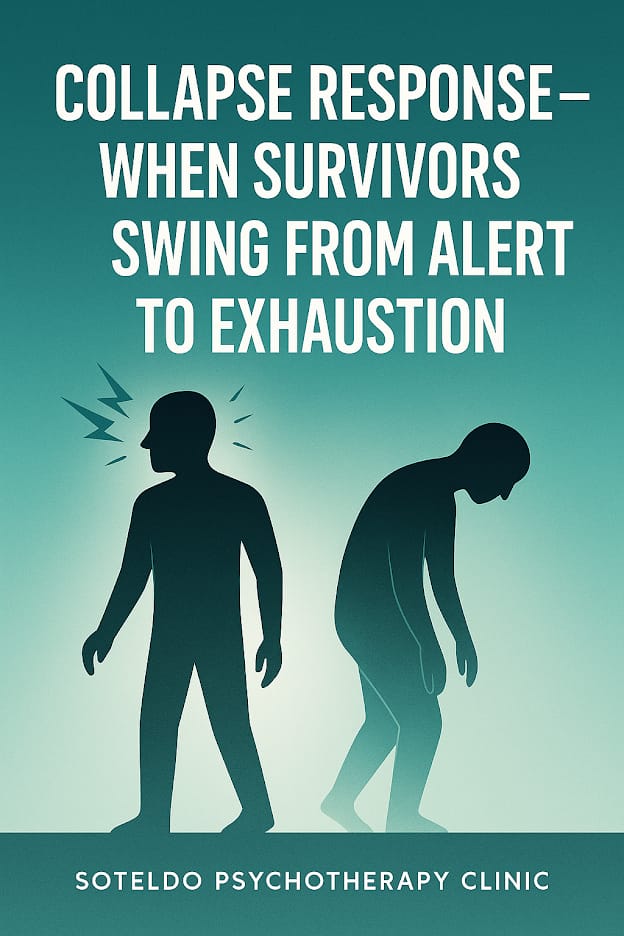
Collapse Response – When Survivors Swing From Alert to Exhaustion
Introduction One of the most puzzling symptoms survivors of narcissistic abuse bring into therapy is the collapse response. Clients often say: “I feel like I’m going full speed


Panic Attacks in Survivors – How Therapy Can Help
Survivors often report panic attacks that feel like they come “out of nowhere.” In reality, panic is the body’s way of remembering danger, even when the mind cannot ident

Silence in Session – What It Means When Survivors Stop Talking (For Psychotherapists)
New therapists often feel uneasy during silence in therapy sessions. Survivors may begin sharing and then suddenly freeze. However, this quiet moment isn’t disengagement—it’s

Body Memory – How Trauma Lives in the Body
Not all trauma lives in words. Body memory and trauma connect deeply—many survivors feel chronic pain, muscle tightness, or fatigue even when no medical cause explains it. This r

The Startle Response After Narcissistic Abuse – Why Survivors React Strongly to Small Triggers
Many survivors describe being “jumpy.” A sudden noise, a door slamming, or even a phone notification can make them flinch or react disproportionately. However, this is not over

Why Survivors Struggle With Sleep After Narcissistic Abuse
Many survivors struggle with sleep after narcissistic abuse because trauma directly affects the body’s natural rest cycles. Insomnia, nightmares, and frequent waking are not rand

The Journey from Self-Blame to Self-Compassion
Many survivors experience self-blame after narcissistic abuse, even long after leaving the relationship. This emotional burden often blocks healing. However, therapy helps survivor
