
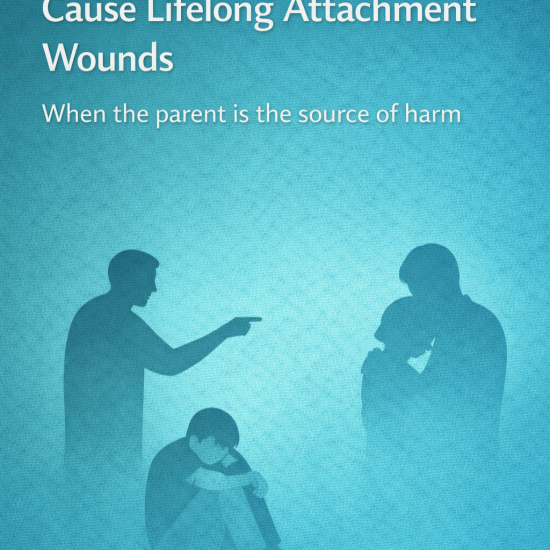
When the parent is the source of harm
For many adults, the most confusing realization in therapy is recognizing that a parent — not a partner — was the original source of narcissistic abuse.
Children raised by narcissistic parents are often valued not for who they are, but for how they meet the parent’s emotional needs. This dynamic creates deep attachment wounds that can persist well into adulthood.
These early relational patterns often shape adult attachment styles, influencing how safety, closeness, and boundaries are experienced later in life.
How narcissistic parenting impacts development
Narcissistic parents may:
- Be emotionally unavailable or inconsistent
- Use guilt, shame, or fear to control
- Expect loyalty at the expense of the child’s autonomy
- Compete with or invalidate the child
- Punish independence
Children learn early that love is conditional and safety is unpredictable.
Attachment styles shaped by narcissistic parents
Growing up in a narcissistic household often results in insecure or disorganized attachment, including:
- Anxious attachment: fear of abandonment, people-pleasing, hyper-attunement to others
- Avoidant attachment: emotional suppression, self-reliance, difficulty trusting
- Disorganized attachment: simultaneous longing for connection and fear of intimacy
👉 These patterns are explored in Attachment-Based Therapy for Adults.
Lifelong effects in adult relationships
Adults raised by narcissistic parents may experience:
- Repeated abusive relationships
- Difficulty setting boundaries
- Chronic guilt when prioritizing themselves
- Fear of conflict or rejection
- Confusion between love and obligation
Healing attachment wounds in therapy
Healing does not require confronting parents or assigning blame. Trauma-informed therapy focuses on:
- Re-parenting the self
- Developing emotional safety
- Repairing attachment patterns
- Building secure internal boundaries
👉 Learn more about Attachment-Based Therapy for Adults
If you’re not sure how these patterns apply to you, you don’t need to label anything yet.
👉 Start here to orient safely and explore support at your own pace
When you’re ready, you can also book a confidential consultation.
