
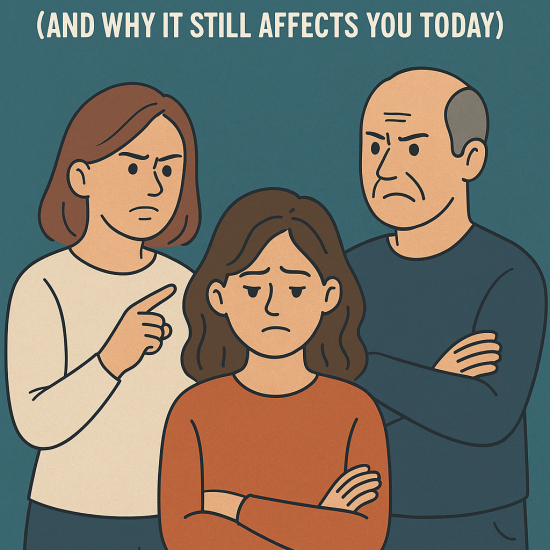
Being raised by a narcissistic parent doesn’t always involve yelling, chaos, or obvious abuse. More often, it shows up subtly—through guilt, fear of disappointing others, emotional neglect, and chronic confusion about who you are.
As a result, many adults don’t recognize the harm until years later. Below are 15 common signs of narcissistic parenting and why they still impact you today.
🔍 Common Signs of Narcissistic Parenting
- You felt responsible for your parent’s emotions
Instead of being cared for, you became their emotional support. - You walked on eggshells
Even small mistakes could trigger withdrawal, rage, or punishment. - Your accomplishments belonged to them
Your successes were used to enhance their image, not celebrate you. - Your feelings were dismissed
You were told you were “too sensitive” or “overreacting.” - You were criticized for your boundaries
Saying “no” was treated as disrespect or betrayal. - You felt guilty for having your own needs
You learned to minimize yourself to keep the peace. - You became the caregiver
You took on emotional or physical responsibilities too early. - You were compared to others constantly
Siblings, peers, or strangers were used to make you feel inadequate. - Conflict felt unsafe
Your nervous system learned that disagreement equals danger. - You struggle with decisions
Narcissistic parents erode self-trust through control and criticism. - You overexplain everything
You were conditioned to defend every thought and feeling. - You fear disappointing people
Your body associates disappointment with punishment or withdrawal. - You attract emotionally unavailable or controlling partners
You unconsciously repeat the relational blueprint you were given. - You freeze during confrontation
Your nervous system remembers the threat—even if your mind doesn’t. - You feel like you don’t know who you are
Identity confusion is one of the most common effects of narcissistic upbringing.
🌱 Why This Still Affects You Today
Narcissistic parenting shapes attachment, self-worth, and emotional regulation. Without support, these early survival strategies follow you into adulthood—especially in relationships, work, and self-trust.
However, you’re not imagining this. And it was never your fault.
Healing from a narcissistic parent is possible. With awareness, nervous system repair, and trauma-informed support, you can reclaim your identity and build relationships rooted in safety and authenticity.
