Narcissistic Abuse Recovery Clinic Canada™

Narcissistic abuse is a form of psychological and emotional trauma that often leaves survivors doubting their reality, identity, and self-worth. Recovery requires more than insight — it requires a trauma-informed therapeutic approach that addresses nervous system regulation, attachment wounds, and the long-term psychological impact of relational abuse.
This work is part of our broader psychotherapy for adults services.

Many people arrive here unsure whether what they experienced even counts as abuse. That uncertainty isn’t a sign of weakness — it’s one of the most common and painful effects of narcissistic abuse. When someone has spent months or years making you question your own reality, it makes sense that you’d question it too.
You don’t need to have all the answers before you reach out. You don’t need to be certain. You don’t need to have left yet. You just need to be here — and that is already enough.
Here are some of the patterns that survivors most commonly experience — many of which they didn’t have a name for until they found this page.
You remember exactly what happened. They tell you it didn’t. After enough time, you start to believe them.
The good moments feel so real that you stay through the painful ones. That’s not weakness — that’s a trauma response.
It happened slowly. One relationship at a time, until you looked around and realised you were alone.
You stopped sharing how you felt because it was always used against you. So you learned to go quiet instead.
Somewhere along the way, your opinions, preferences, and sense of self stopped feeling like yours. You can’t remember who you were before.
It didn’t look like control. It looked like concern, rules, criticism, and never quite having enough freedom — or money, or privacy — to feel truly independent.
Take 2 minutes to find out if what you experienced fits the pattern.
There is no single path through narcissistic abuse recovery. — always adapted to where you are, what you need, and what feels safe for you.
One-on-one therapy supporting individuals recovering from narcissistic abuse, trauma, and high-conflict relationships. Sessions focus on emotional regulation, clarity, and rebuilding a sense of self after complex relational experiences.
Structured group sessions for individuals healing from narcissistic abuse, relational trauma, and emotional distress. Groups provide a supportive space for shared experiences, guided reflection, and therapeutic growth.
Clinical supervision and training for therapists working with narcissistic abuse, trauma, and high-conflict dynamics. Includes structured supervision circles, case consultation, and practical guidance in treatment planning.
On-demand and live webinars focused on understanding narcissistic abuse, attachment patterns, and relational trauma. Designed to provide clear, practical insights for both individuals and professionals.
Healing from narcissistic abuse requires more than insight — it requires structure, safety, and a clear therapeutic process tailored to complex relational trauma.
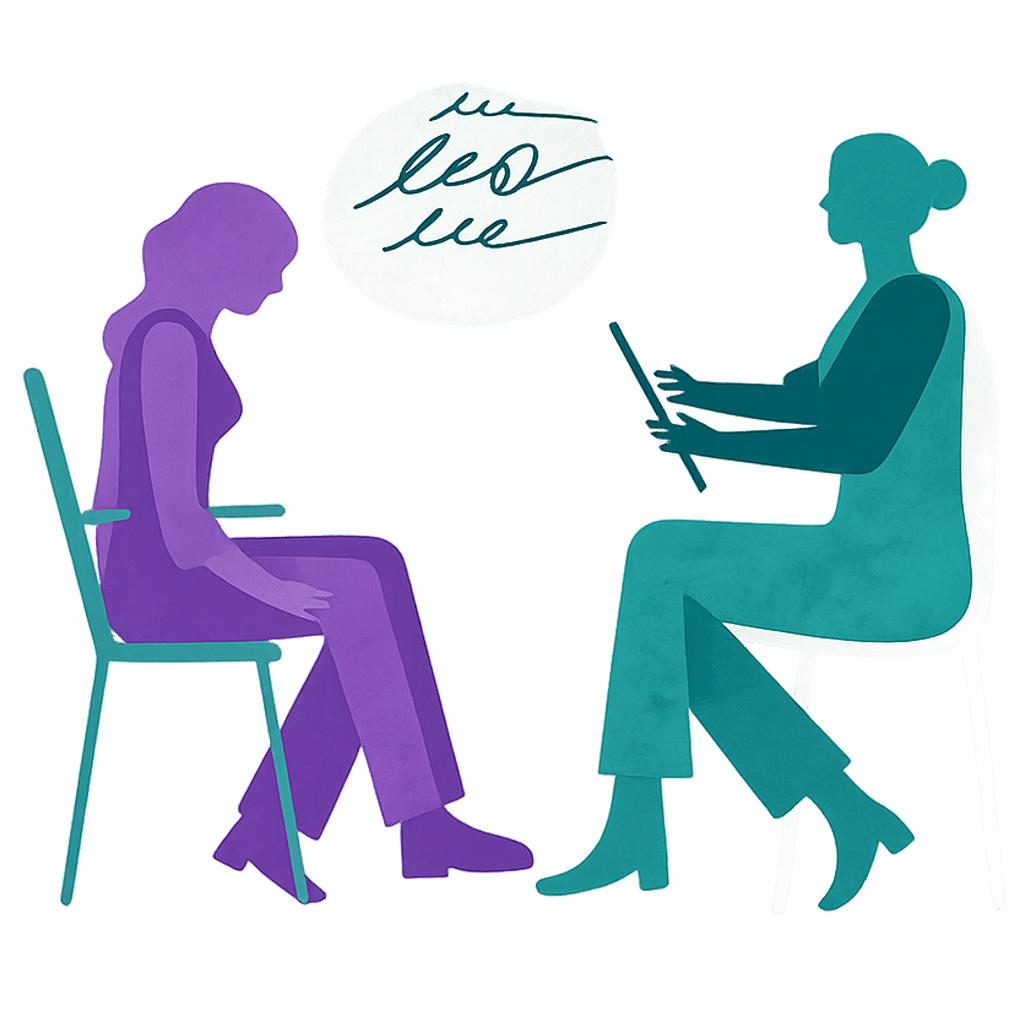
We begin by understanding your experience within the context of narcissistic abuse and relational trauma. This includes identifying patterns such as trauma bonding, emotional dysregulation, and the impact of prolonged psychological stress — without pressure or judgment.
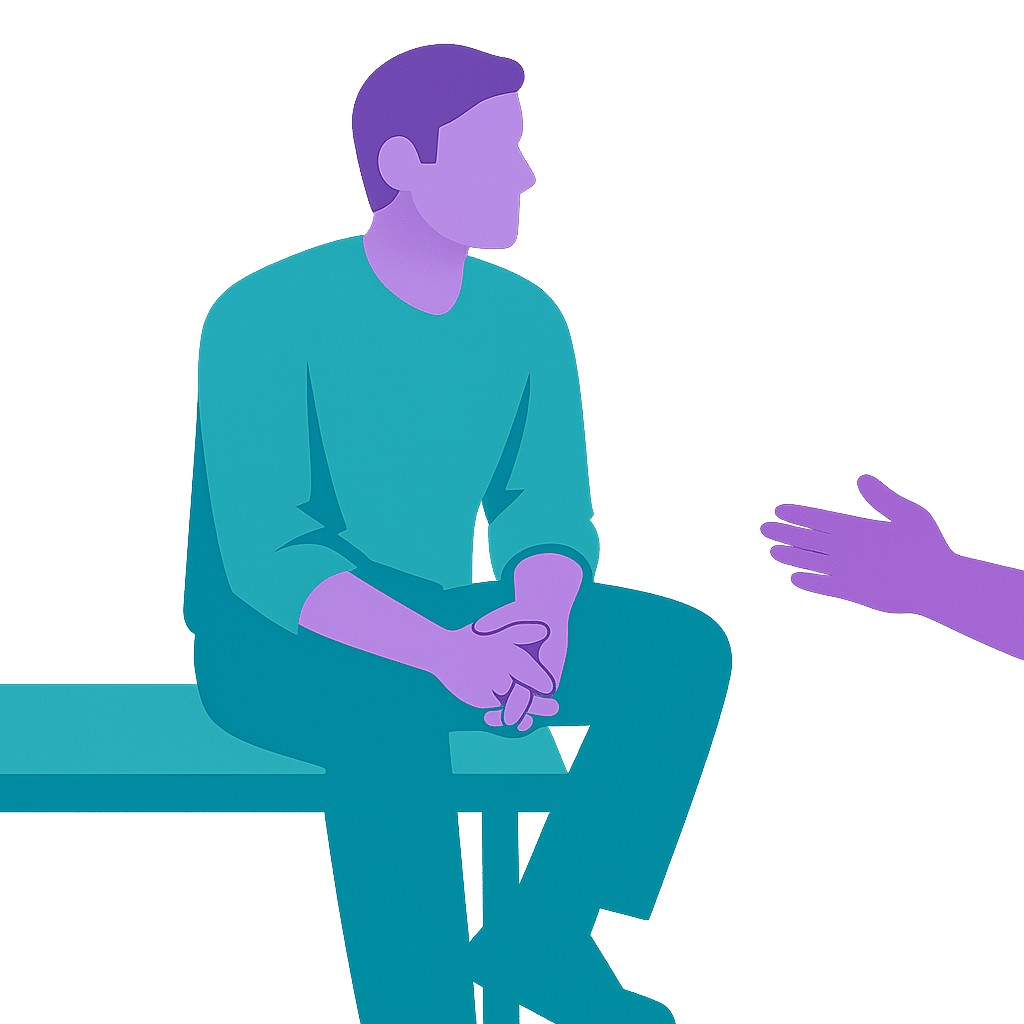
Before processing deeper trauma, we focus on nervous system regulation, emotional safety, and grounding. This phase is essential for individuals recovering from narcissistic abuse, where chronic stress and anxiety often impact daily functioning. This is not a pause — this is foundational work.
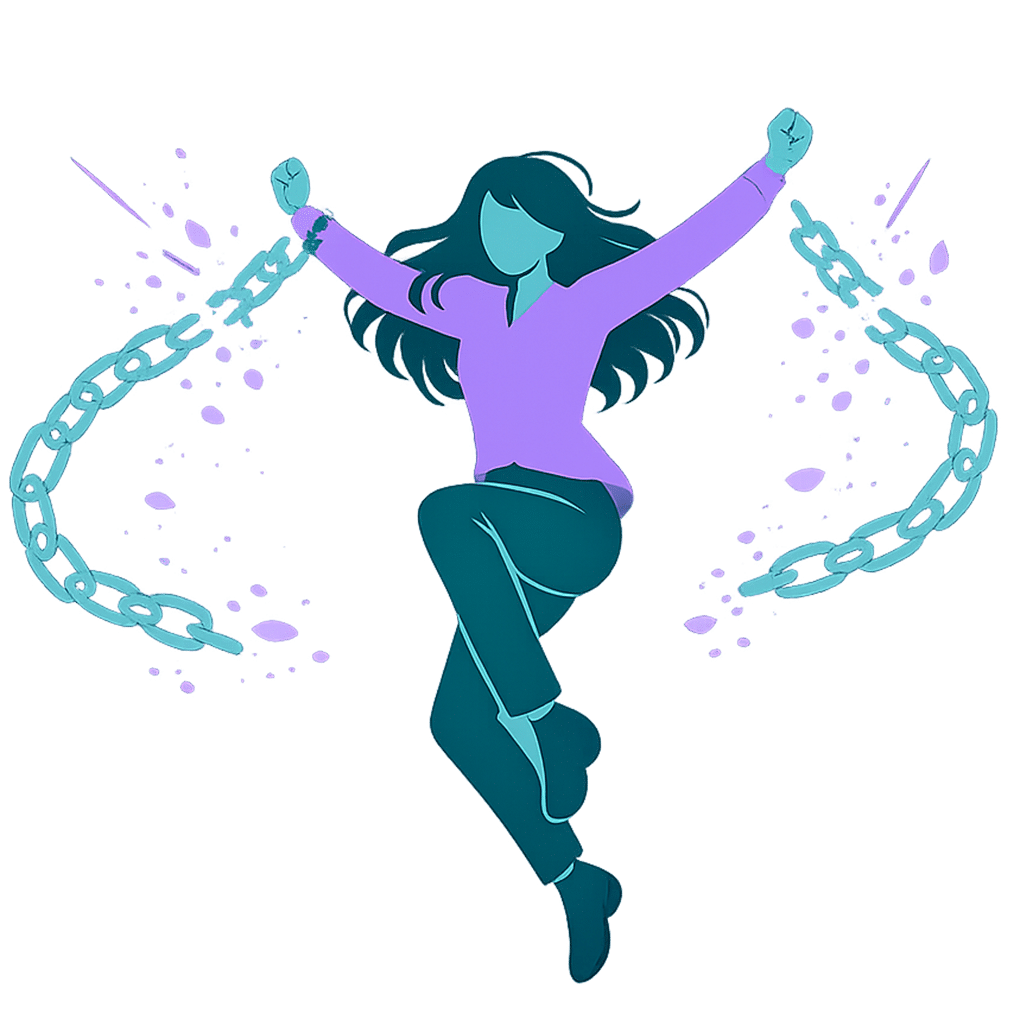
This phase focuses on rebuilding identity, boundaries, and self-trust after narcissistic abuse. We explore who you are outside of the relationship, strengthen decision-making, and develop healthier relational patterns moving forward.
10 Signs You Are in a Narcissistic Relationship — a free guide by Raquel Soteldo, RP. Enter your email and get instant access.
Your recovery requires more than insight — it requires a trauma-informed therapeutic approach that addresses nervous system regulation, attachment wounds, and the long-term psychological impact of relational abuse.
Raquel is a Registered Psychotherapist and founder of the Narcissistic Abuse Recovery Clinic Canada™, specializing in the psychological and emotional impact of narcissistic abuse, high-conflict relationships, and complex relational trauma.
She has been studying narcissistic personality disorder and relational dynamics since 2004, bringing over two decades of focused clinical interest to her work. Her training includes advanced study in narcissistic abuse recovery through Dr. Ramani’s Evergreen Certification Program, as well as a background in behavioural analysis.
In addition to her clinical work, Raquel is a trained family mediator, with experience supporting individuals navigating high-conflict separation, divorce, and co-parenting dynamics.
Her approach integrates:
Raquel’s work is particularly suited for individuals who have experienced long-term narcissistic abuse and are seeking structured, specialized support beyond general therapy.
Her clinical perspective is also informed by deep personal insight into the long-term impact of narcissistic relational dynamics, allowing her to approach this work with both professional expertise and nuanced understanding.
Educational sessions designed to help you understand narcissistic abuse, trauma bonding, and high-conflict dynamics — with practical tools for recovery.
A structured monthly session covering the core patterns of narcissistic abuse and practical tools for recovery
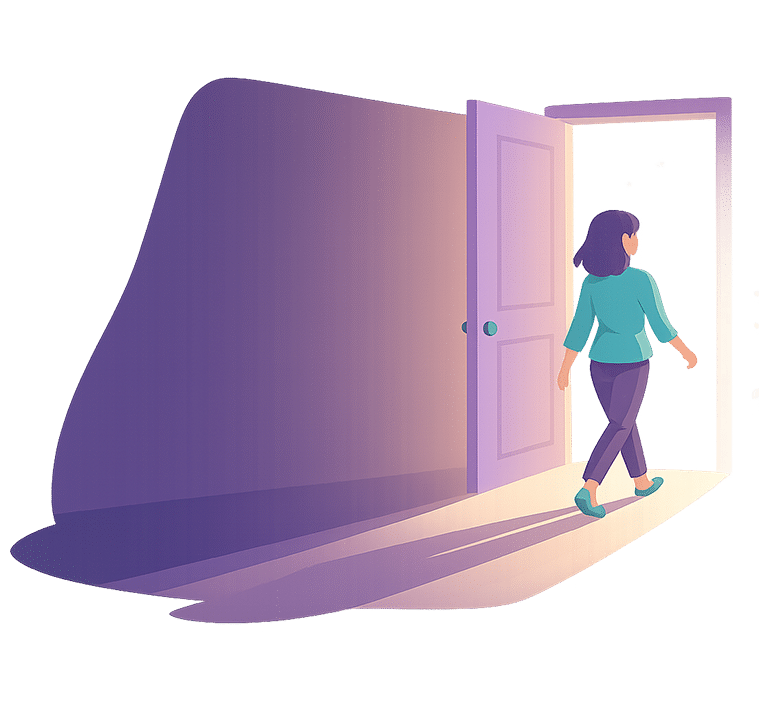
Leaving is never as simple as just walking away. This workshop covers the practical and emotional steps to exit safely — and what to watch out for.
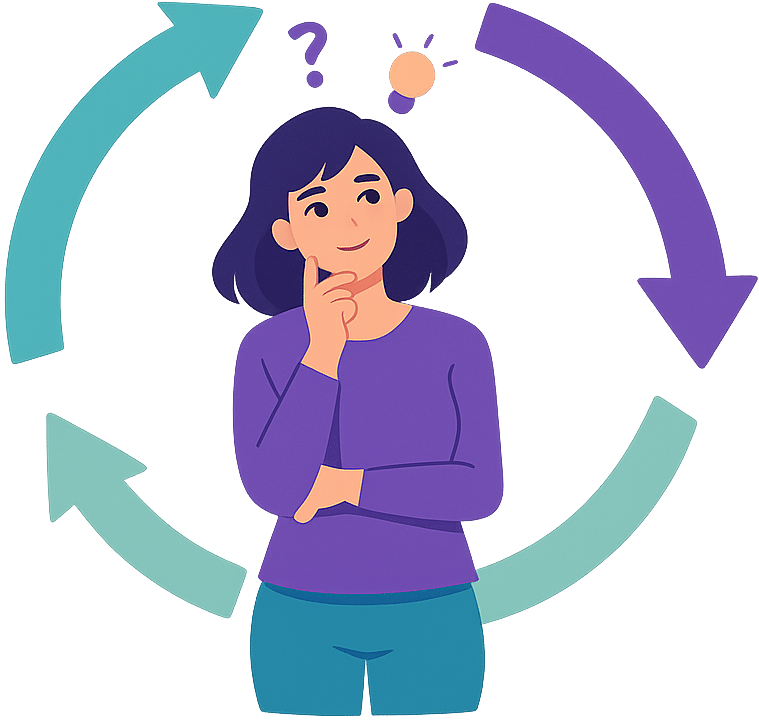
Why does the relationship keep repeating the same patterns? This session breaks down the cycle of abuse and why it’s so difficult to recognise from the inside.
For survivors whose abuse began in childhood. This workshop explores how early experiences with narcissistic caregivers shape adult relationships and nervous system responses.

Leaving the relationship doesn’t always end the abuse. This session covers what post-separation abuse looks like and how to protect yourself and begin healing.
Why do you feel confused, attached, and emotionally exhausted all at once? This workshop helps you understand the patterns behind emotional abuse and why your nervous system responds the way it does.
Structured therapeutic programs designed for individuals healing from narcissistic abuse and high-conflict relationships.
Structured therapeutic programs designed for individuals healing from narcissistic abuse and high-conflict relationships.
One-on-one trauma-informed therapy for survivors healing from narcissistic abuse.
Heal alongside others who understand in a safe, therapist-led group setting.
Structured support for survivors navigating high-conflict and coercive relationships.
Advanced clinical support and training for therapists working with narcissistic abuse, trauma, and complex relational cases.
Advanced clinical support and training for therapists working with narcissistic abuse, trauma, and complex relational cases.
Clinical supervision for therapists working with narcissistic abuse and complex trauma.
Expert guidance for therapists ready to launch and grow their own private practice.
Practical treatment planning sessions for therapists in a relaxed learning format.
Targeted programs designed for individuals navigating specific challenges related to emotional regulation and relational conflict.
Targeted programs designed for individuals navigating specific challenges related to emotional regulation and relational conflict.
Evidence-based tools for understanding and regulating anger rooted in relational trauma.
Trauma-informed parenting support for survivors raising children after narcissistic abuse.
Training and workshops for professionals working in high-conflict and trauma-informed environments.
Training and workshops for professionals working in high-conflict and trauma-informed environments.
Workplace training on emotional intelligence, trauma, and high-conflict communication.
Specialised training for frontline professionals working in trauma and conflict settings.

A therapist-led group designed for individuals leaving or recovering from abusive relationships, with a focus on understanding the differences between narcissistic, sociopathic, and psychopathic abuse.
Raquel Soteldo, RP, is a psychotherapist specializing in narcissistic abuse and complex relational trauma, with over two decades of academic and clinical focus in this area. Her work integrates trauma-informed care, behavioural analysis, and relational frameworks to support both client outcomes and therapist development.
Important Note: This group supports recovery and complements individual therapy but does not replace it.
Different survivors need different forms of support, depending on where they are in their healing.
For parents healing while protecting their children
For navigating separation and ongoing conflict
Ready to take the next step? Book your free 15-min consultation with Raquel today.
Yes. Attachment-based therapy helps survivors understand and heal the relational wounds that often keep trauma bonds and self-doubt in place.
Yes. Parent coaching is designed to support survivors while they are healing—helping protect children emotionally and reduce overwhelm without requiring perfection.
Recovery from narcissistic abuse is rarely linear. Many survivors find reassurance in understanding the healing process over time.
You don’t need to be ready — you just need to be curious. Your first session is simply a conversation. There is no pressure to commit to anything.
We talk. Raquel will ask about your experience, what feels most urgent, and what you’re hoping to work toward. There is no evaluation — just a safe conversation at your pace.
Yes. Everything discussed in sessions is completely confidential in accordance with CRPO and CCPA professional standards.
Yes. Sessions are available both virtually and in-person across Ontario. Virtual sessions are available province-wide.
Absolutely. Many clients arrive here with exactly that uncertainty. You don’t need a label or a diagnosis to deserve support.
Your first session is simply a conversation. No pressure, no commitment, completely confidential. We work at your pace, toward a life that feels like yours again.