
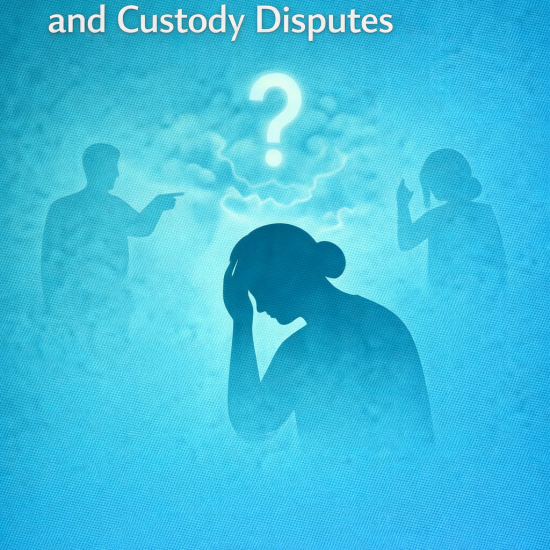
Gaslighting in divorce mediation is one of the most destabilizing dynamics in high-conflict separation, often overlapping with post-separation abuse patterns. It involves persistent distortion of reality that causes one person to doubt their memory, perception, or judgment.
How Gaslighting Appears in Divorce
- denying prior agreements
- rewriting conversations
- accusing the other of being “too sensitive”
- shifting blame constantly
Over time, this erodes confidence and decision-making capacity.
Why Structure Is Essential
Unstructured traditional mediation models can unintentionally amplify gaslighting.
Psychotherapy-informed mediation introduces:
- documentation
- clear agendas
- mediator containment
- reality anchoring
In high-conflict cases involving reality distortion, a structured family mediation model can provide containment, documentation, and clear procedural safeguards.
How Structured Mediation Protects Against Gaslighting
Psychotherapy-informed mediation introduces safeguards that prevent reality distortion from dominating the process. Documentation, written summaries, and clear agendas create a shared record. Mediator containment reduces manipulation and keeps conversations anchored to agreed facts and child-focused outcomes.
